(980) 447-8034

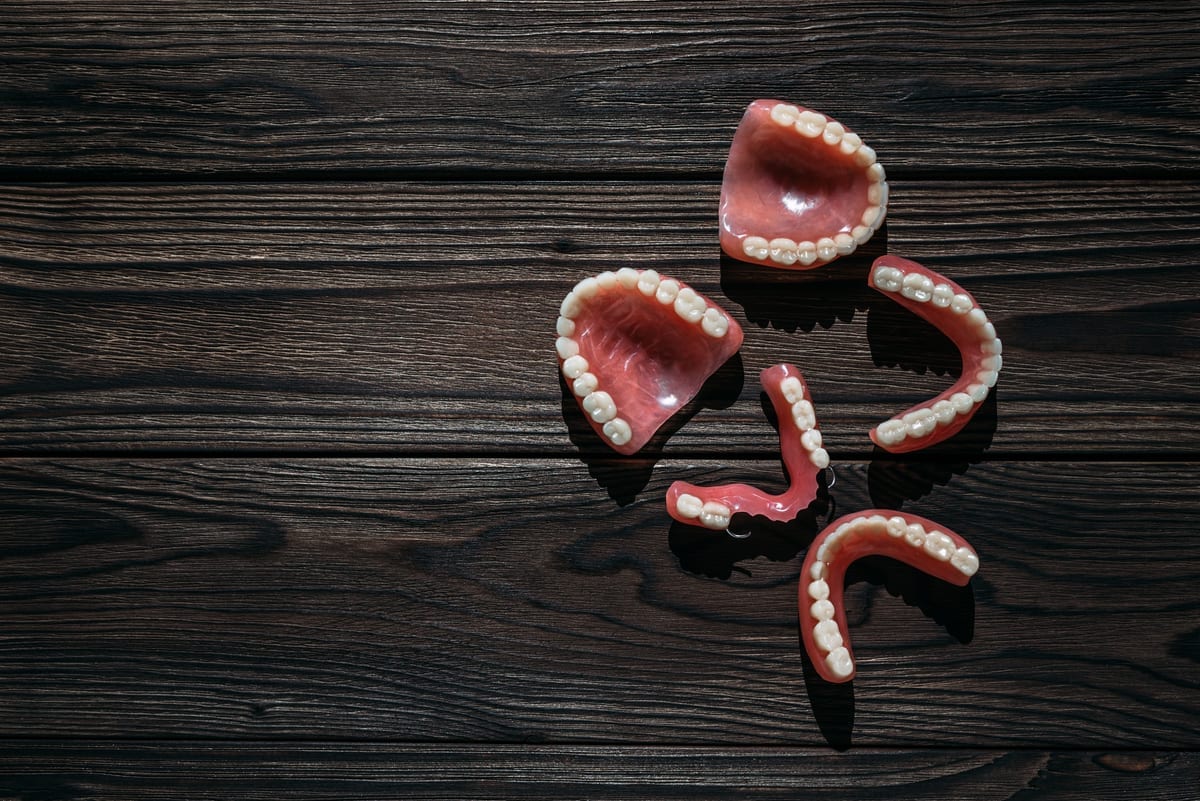
Choosing between full, partial, and implant-supported dentures can feel overwhelming. If you’re exploring tooth replacement in Mooresville, NC, you’re not alone — many patients ask Dr. Eduardo Gonzalez the same question every week. Understanding the differences between full vs partial vs implant dentures is the first step toward finding the right solution for you in Mooresville. This guide breaks down each option so you can make a confident, informed decision.
What Are Full Dentures and Who Needs Them?
Full dentures replace an entire arch of missing teeth — either the upper jaw, lower jaw, or both. They rest directly on the gum tissue and are held in place by natural suction or a dental adhesive. Most patients who choose full dentures have lost all of their natural teeth in one or both arches.
Full dentures are a well-established, affordable option for tooth replacement. They restore basic chewing function and give patients back a natural-looking smile. However, they do require a short adjustment period as your mouth adapts to wearing them.
Here are some key facts about full dentures:
- Custom-fitted to the shape of your gums and jaw
- Removable for easy cleaning at home
- May need periodic relining as the jawbone changes over time
- Best suited for patients with no remaining natural teeth in the arch
At Lumora Implant Dentistry, Dr. Gonzalez takes detailed impressions to ensure your dentures fit comfortably from day one.
Who Is a Good Candidate for Partial Dentures in Mooresville?
Partial dentures are designed for patients who still have some healthy natural teeth remaining. They fill the gaps left by missing teeth and attach to your existing teeth using small metal clasps or precision attachments. This keeps them stable while you eat and speak.
Partial dentures are a practical middle-ground solution. They prevent remaining teeth from drifting out of position over time. They also restore chewing balance and improve your overall bite function.
Partial dentures work especially well when:
- You have multiple missing teeth spread across one arch
- Your remaining natural teeth are healthy and strong
- You want a removable, lower-cost option
- You are not yet ready for a surgical procedure
Like full dentures, partials are removable and must be cleaned daily. Dr. Gonzalez will evaluate your remaining teeth carefully before recommending this option.
How Do Implant-Supported Dentures Work?
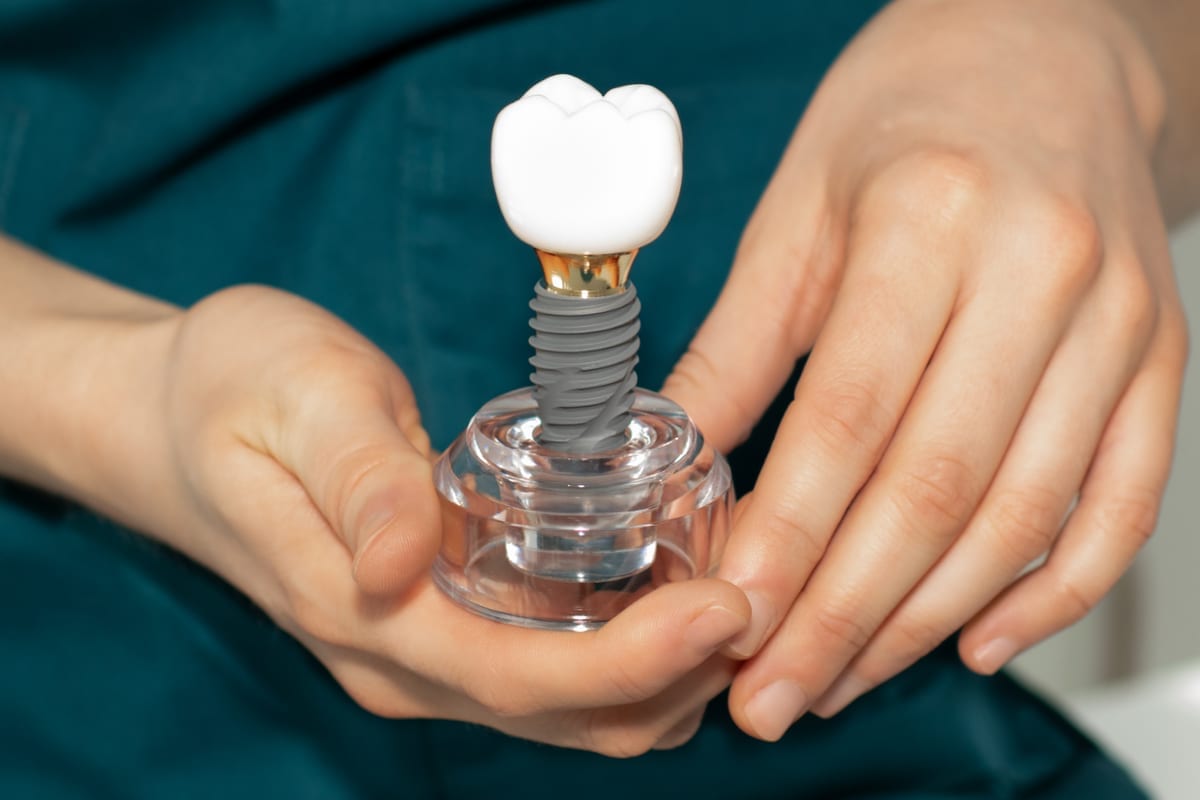
Implant-supported dentures combine the stability of dental implants with the coverage of a full or partial denture. Small titanium implants are placed into the jawbone first. Once healed, a specially designed denture snaps or locks onto the implants for a much more secure fit.
This option is popular among Mooresville patients who want a denture that stays firmly in place. Unlike traditional dentures, implant-supported versions do not slip during meals or conversation. They also help preserve jawbone density — something traditional dentures cannot do.
If you’re missing several teeth in a row, Implant Bridges Mooresville may also be worth exploring as an alternative. For single missing teeth, Single Dental Implants Mooresville offer a standalone restoration that functions just like a natural tooth.
The process for implant-supported dentures typically involves two main phases. First, implants are placed and allowed to fuse with the bone over several months. Then, the custom denture is attached during a follow-up appointment.
Full vs Partial vs Implant Dentures: A Side-by-Side Comparison
It helps to see these three options compared directly. Each one suits a different patient profile and set of goals. Here is a simple breakdown to guide your thinking:
- Full dentures: Best when all teeth in an arch are missing. Affordable, removable, and non-surgical.
- Partial dentures: Best when some natural teeth remain. Fills gaps and prevents shifting.
- Implant dentures: Best for patients wanting maximum stability. Requires minor oral surgery but delivers superior long-term results.
Stability is one of the biggest differences between the three. Traditional dentures rely on suction or clasps. Implant dentures lock directly into the jawbone, giving them a far more secure hold.
Cost is another factor. Full and partial dentures typically require a lower upfront investment. Implant-supported dentures cost more initially but may save money over time because they rarely need replacement and do not require adhesives.
Bone preservation is a third key consideration. Every option restores your smile, but only implant dentures actively stimulate the jawbone and prevent bone loss. This matters for your long-term facial structure and oral health.
What to Expect During Your Consultation at Lumora Implant Dentistry
Every patient who visits Dr. Gonzalez in Mooresville starts with a thorough oral evaluation. This includes digital X-rays, an assessment of remaining teeth and bone density, and a conversation about your goals and lifestyle. No two patients are alike, so recommendations are always personalized.
Dr. Gonzalez takes an educational approach. He will walk you through all viable options — including full dentures, partial dentures, and implant-supported solutions — before recommending a treatment plan. You will never feel rushed or pressured.
Here is what a typical first visit looks like:
- A full oral health examination and X-rays
- A review of your dental and medical history
- A candid discussion of your tooth replacement goals
- A personalized recommendation based on your unique situation
- A clear overview of the treatment timeline and next steps
After your consultation, you will have everything you need to make the right decision for your smile and your life.
Conclusion: Find the Right Denture Solution in Mooresville
Understanding the differences between full, partial, and implant-supported dentures puts you in the driver’s seat. Each option has real benefits depending on your oral health, lifestyle, and long-term goals. Dr. Eduardo Gonzalez and the team at Lumora Implant Dentistry are here to guide you every step of the way. Book Now to schedule your appointment with our team.
Frequently Asked Questions
How do I know if I need full or partial dentures?
If you have lost all of your natural teeth in one or both arches, full dentures are typically recommended. If you still have some healthy natural teeth remaining, partial dentures are usually the better fit. Dr. Gonzalez will assess your mouth carefully and explain which option suits your situation best.
Are implant-supported dentures permanent?
The implants themselves are a permanent fixture in the jawbone. The denture portion that attaches to the implants can be removed for cleaning and is designed to last many years. Over time, the denture may need adjustment or replacement, but the implants generally last a lifetime with proper care.
Is the implant placement procedure painful?
Most patients are surprised by how comfortable the procedure is. Local anesthesia is used throughout the placement process. Any soreness afterward is typically mild and manageable with over-the-counter pain relief. Dr. Gonzalez prioritizes patient comfort at every stage of treatment.
How long does it take to get dentures in Mooresville?
The timeline varies depending on the type of denture. Traditional full or partial dentures can often be completed within a few weeks. Implant-supported dentures take longer because the implants need several months to fuse with the jawbone before the final denture is attached. Dr. Gonzalez will give you a clear timeline during your consultation.
Can I eat normally with dentures?
Yes, though there is an adjustment period. Traditional dentures may limit some harder or stickier foods initially. Implant-supported dentures provide much greater biting force, allowing most patients to eat a wider variety of foods with confidence. Starting with softer foods and gradually reintroducing others helps the transition go smoothly.

Complimentary 3D Xray and Consultation - Book Online
Shape your final smile for bite, feel and look—down to shade and shape—and even test-drive it first. Fully optimized. Fully you.
