(980) 447-8034

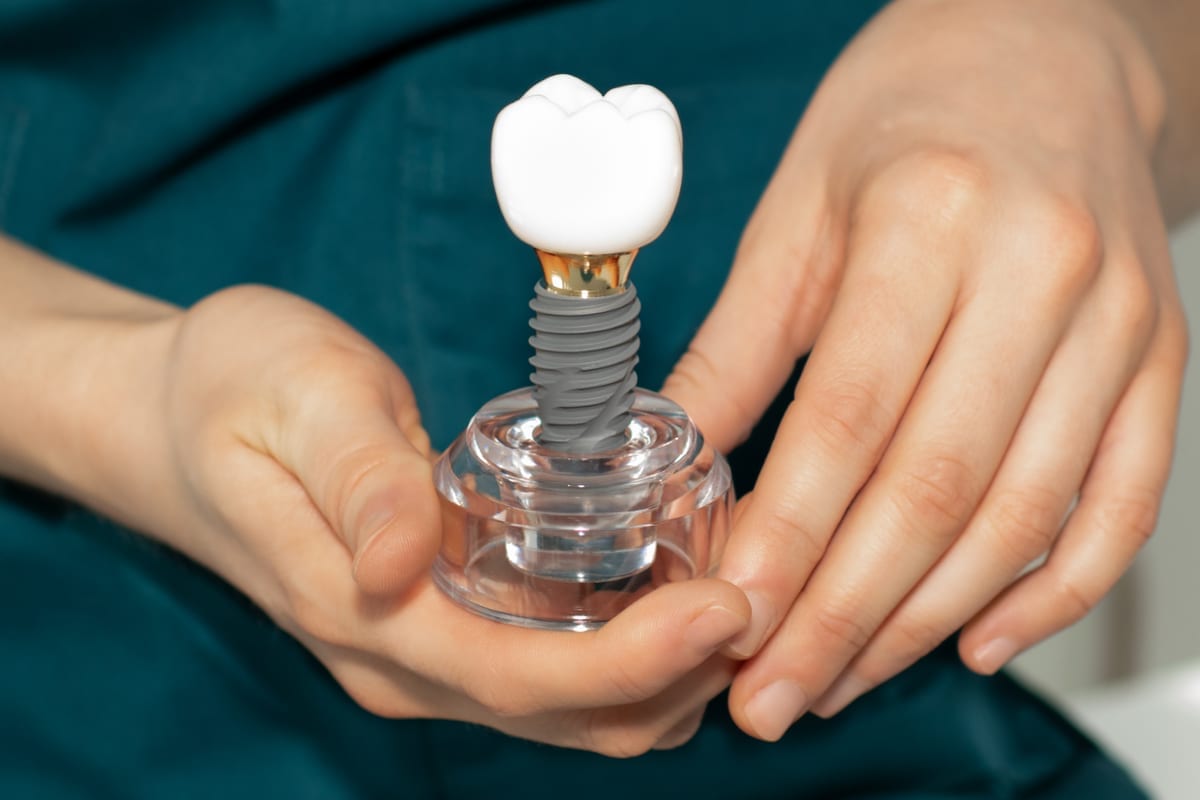
If you’ve been asking yourself, am I ready for dental implants? — you’re not alone. Many patients in Mooresville, NC come to us with that exact question. The answer isn’t always a simple yes or no. Dr. Eduardo Gonzalez at Lumora Implant Dentistry takes a thorough, individualized approach to evaluating every patient. Understanding what your dentist actually considers can help you feel more confident walking through our door.
This article walks you through the key factors that determine implant candidacy. We’ll cover bone density, age, health conditions, and lifestyle habits like smoking. Our goal is to give you honest, clear information — not a sales pitch. You deserve to make an informed decision about your smile.
What Does ‘Being a Good Candidate’ Actually Mean in Mooresville?
Dental implant candidacy isn’t a single checkbox. It’s a combination of physical, medical, and lifestyle factors. Dr. Gonzalez evaluates each patient as a whole person, not just a set of teeth. That’s what makes the consultation process so important.
A good candidate generally has enough healthy jawbone to support an implant post. They also have healthy gums and no active infections. Their overall health must be stable enough to heal properly after surgery. Most patients who ask about implants are closer to qualifying than they think.
If you’d like to explore your options before your visit, our Patient Education Mooresville resources can help you prepare. Knowledge reduces anxiety and leads to better conversations with your care team. Start there if you’re feeling unsure about what to expect.
Bone Density and Jaw Health: The Foundation of Implant Success
The implant post acts like an artificial tooth root. It needs solid bone to fuse with during the healing process. Without adequate bone density, an implant cannot integrate properly. This is one of the most important factors Dr. Gonzalez evaluates.
Bone loss often happens after a tooth is extracted. The longer a tooth has been missing, the more bone may have deteriorated. That’s why timing your implant consultation matters. Early evaluation can preserve your options.
If your bone density is insufficient, you may still qualify — with preparation. Bone grafting is a procedure that rebuilds the jawbone before implant placement. Many Mooresville patients undergo grafting successfully before receiving their implants. Dr. Gonzalez will tell you honestly whether this step applies to you.
- Sufficient bone volume: Enough height and width to anchor the implant post
- Bone quality: Dense enough to support the healing and fusion process
- Gum tissue health: Free from active periodontal disease before surgery
- Absence of infection: No untreated decay or gum infections present
Age, Health Conditions, and What They Really Mean for Implants
Many patients worry that age disqualifies them. In most cases, it does not. There is no upper age limit for dental implants. Patients in their 70s and 80s successfully receive implants every year.
However, there is a lower age threshold to consider. Implants are typically not placed in younger patients still experiencing jaw growth. The jawbone must be fully developed before implant placement. For most patients, this means waiting until the late teens or early twenties.
Certain health conditions require closer attention during evaluation. These include:
- Diabetes: Well-controlled diabetes does not automatically disqualify you, but uncontrolled diabetes slows healing
- Osteoporosis: May affect bone density and healing — medications like bisphosphonates require discussion
- Autoimmune disorders: Some conditions affect how your body responds to surgery
- Heart conditions: Dr. Gonzalez may coordinate with your physician before proceeding
- Blood thinners or immunosuppressants: These medications can affect surgical outcomes and require evaluation
None of these conditions are automatic disqualifiers. They simply require honest, open communication with Dr. Gonzalez. He works closely with patients to find the safest path forward. Your overall wellbeing always comes first.
Smoking and Lifestyle Habits: An Honest Conversation
Smoking is one of the most significant risk factors for implant failure. It restricts blood flow and impairs the body’s ability to heal. Studies consistently show higher failure rates among smokers. This is not something we sugarcoat at Lumora Implant Dentistry.
That said, smoking does not automatically disqualify you. Some smokers successfully receive implants after careful planning and preparation. Dr. Gonzalez will discuss your habits honestly and set realistic expectations. Quitting or significantly reducing smoking before and after surgery greatly improves your odds.
Other lifestyle factors also play a role in candidacy. These include alcohol consumption, oral hygiene habits, and teeth grinding. Patients who grind their teeth may need a nightguard to protect their implants. Commitment to post-procedure care is just as important as pre-procedure health.
Comparing Your Options: Implants, Dentures, and Bridges
Not every patient is immediately ready for implants. That’s okay — there are excellent alternatives. Dentures and dental bridges are proven solutions that restore function and appearance. Understanding all your options helps you make the right choice for your life.
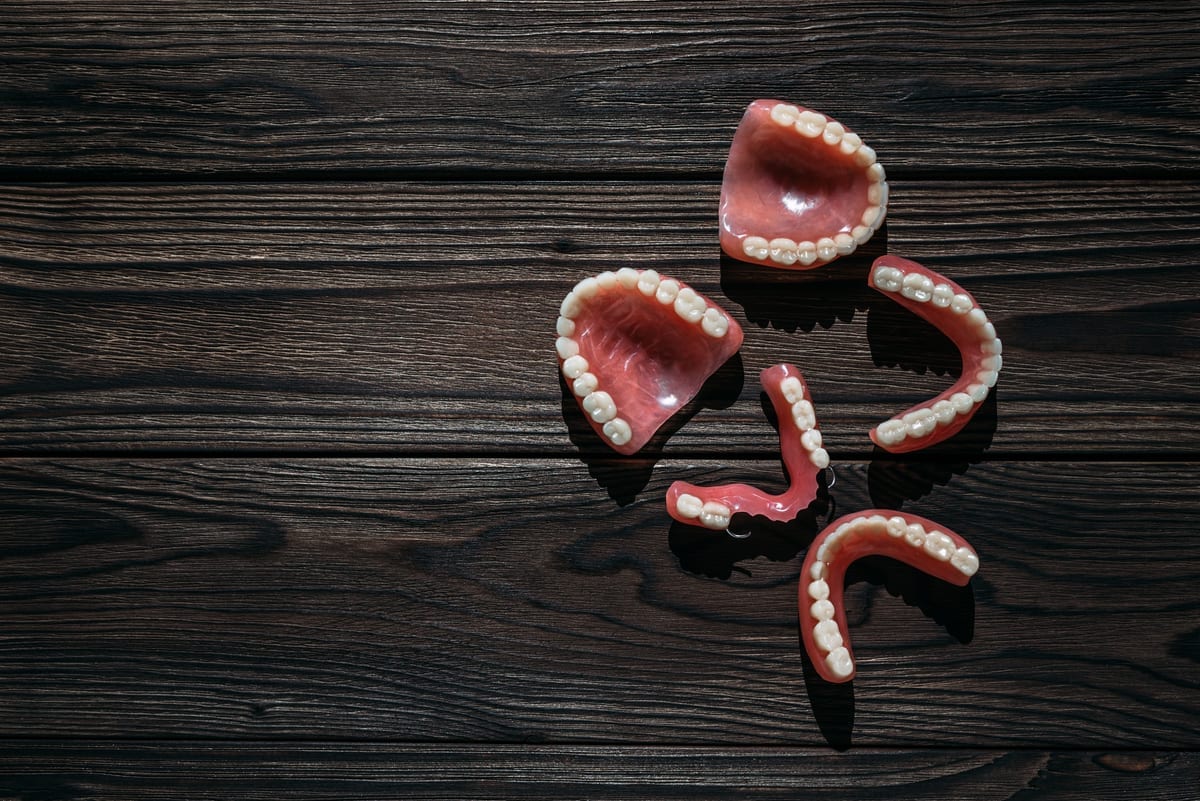
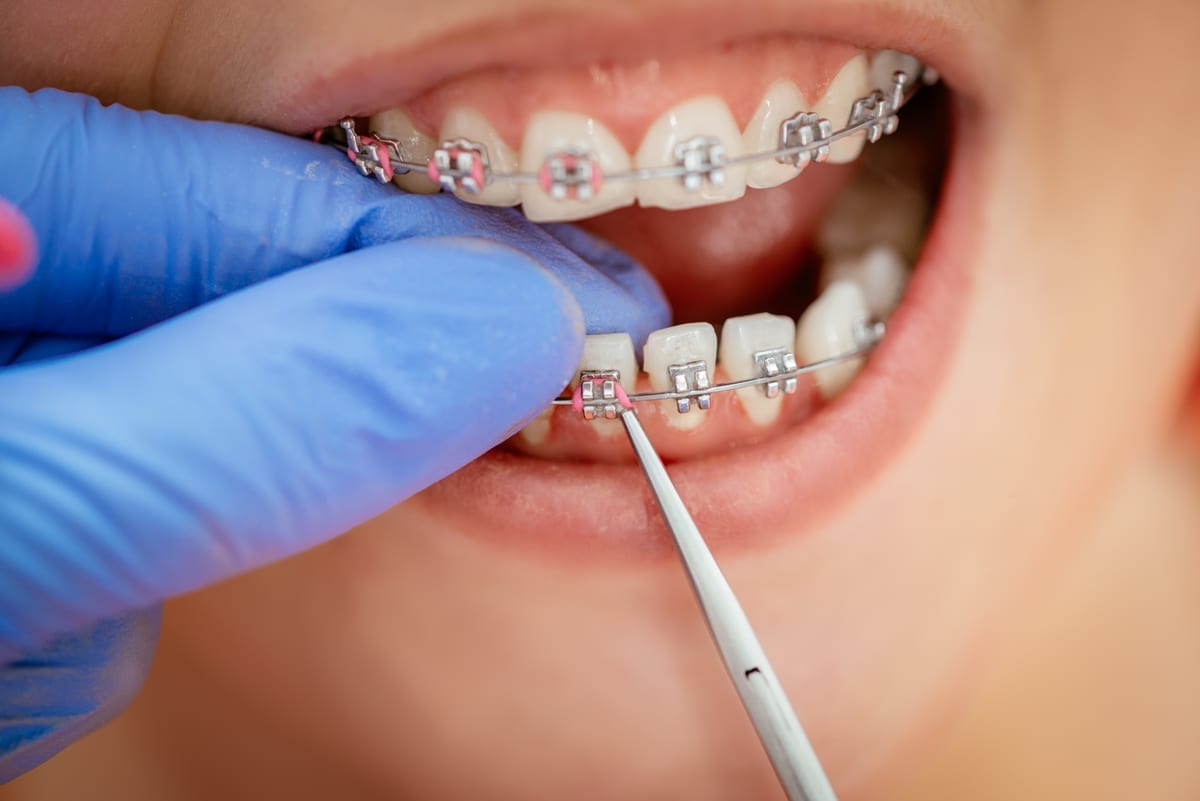
Dental bridges are fixed restorations that anchor to neighboring teeth. They’re a strong option when adjacent teeth are already compromised. Dentures offer a removable solution that can replace multiple or all missing teeth. Both options are available at Lumora Implant Dentistry in Mooresville.
If implants are your goal but finances are a concern, we can help. Learn about Dental Implant Financing Mooresville to explore flexible payment options. Affordability should never be the reason you delay restoring your smile. Dr. Gonzalez and his team are committed to finding solutions that work for you.
What to Expect During Your Implant Consultation at Lumora
Your first consultation is a conversation, not a commitment. Dr. Gonzalez will review your medical history and take dental X-rays. He may also use 3D imaging to assess your bone structure in detail. Every piece of information helps build a personalized treatment plan.
You’ll have the opportunity to ask every question on your mind. No concern is too small or too basic to discuss. The goal of the consultation is clarity — for both of us. You should leave feeling informed, respected, and confident in your next step.
Here’s what typically happens during a candidacy evaluation:
- Full medical and dental history review
- Oral examination and gum health assessment
- Digital X-rays or 3D cone beam CT scan
- Discussion of bone density findings
- Review of health conditions and current medications
- Honest conversation about treatment options and timelines
Frequently Asked Questions
Can I get dental implants if I have gum disease?
Active gum disease must be treated before implant placement. Untreated periodontal disease creates an unstable environment for the implant. Once your gum health is restored, you may become a strong candidate. Dr. Gonzalez will assess and treat any gum issues as part of your plan.
How do I know if I have enough bone for an implant?
The only way to know for certain is through imaging. Dr. Gonzalez uses digital X-rays and 3D scans to measure bone volume and density. If bone loss is present, a grafting procedure may restore what’s needed. Many patients are surprised to learn they qualify after a graft.
Is there an age limit for dental implants?
There is no upper age limit for dental implants. Older adults receive implants successfully every day. However, younger patients whose jaws are still developing typically must wait. Dr. Gonzalez evaluates jaw maturity on a case-by-case basis for younger patients.
What happens if I’m not ready for implants right now?
Not being immediately ready doesn’t mean never. Many patients need preparatory steps like bone grafting or gum treatment first. Others may choose bridges or dentures as a temporary or long-term solution. Dr. Gonzalez will outline a realistic path forward during your consultation.
How long does the implant process take from start to finish?
The timeline varies based on your individual needs. Simple cases may be completed in a few months. Cases requiring bone grafting or additional preparation can take six months to a year or more. Dr. Gonzalez will give you a clear timeline after your initial evaluation.
If you’re ready to find out whether dental implants are right for you, our team at Lumora Implant Dentistry in Mooresville, NC is here to guide you. Dr. Gonzalez provides honest, compassionate evaluations with no pressure. You deserve a trusted partner in your dental health journey. Book Now to schedule your appointment with our team.

Complimentary 3D Xray and Consultation - Book Online
Shape your final smile for bite, feel and look—down to shade and shape—and even test-drive it first. Fully optimized. Fully you.
