(980) 447-8034

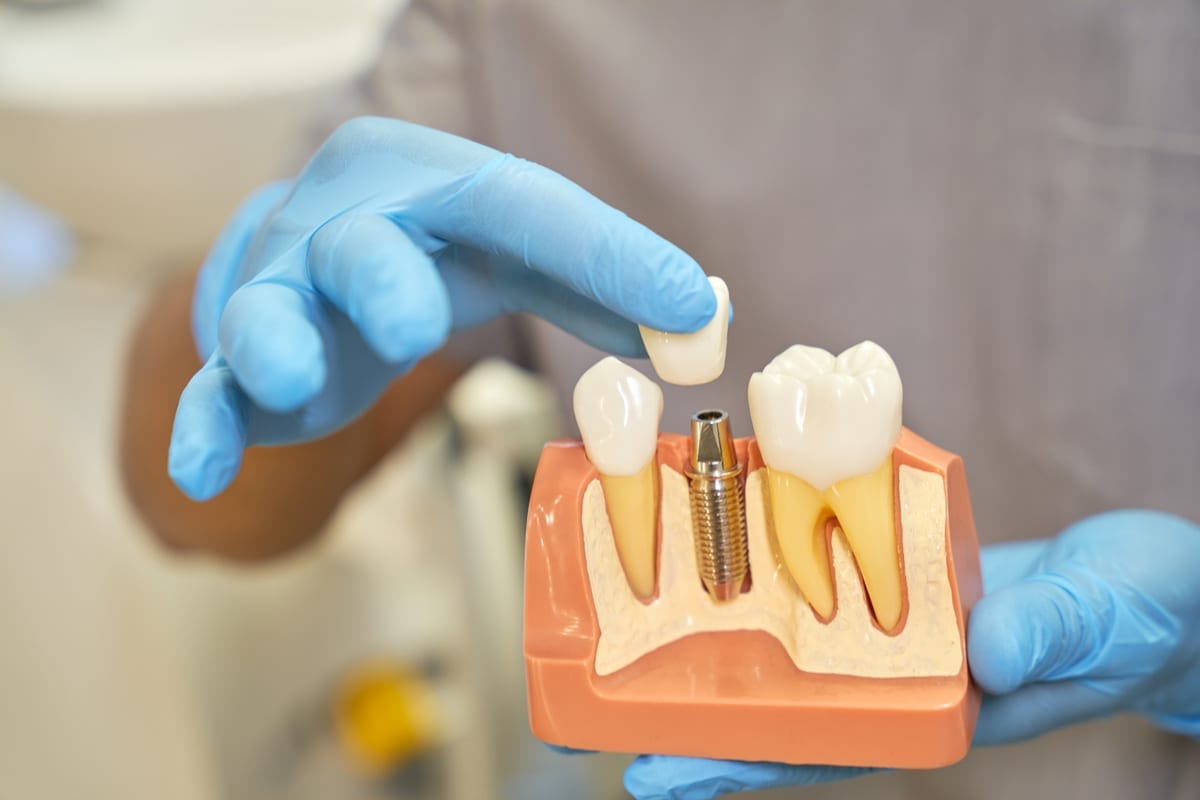
Your shifting teeth are screaming for dental implants in Mooresville, and your body has been sending signals for a while. Many patients ignore early warning signs until the damage becomes serious. Dr. Eduardo Gonzalez at Lumora Implant Dentistry sees this pattern every day. Understanding these signs early can save your smile — and your jawbone.
Missing teeth create a chain reaction inside your mouth. That chain reaction moves faster than most people expect. The good news is that dental implants can stop that process and restore your quality of life. But timing matters more than most patients realize.
Warning Sign #1 — Your Teeth Are Visibly Shifting in Mooresville
When a tooth goes missing, neighboring teeth begin to drift. They fill the empty space slowly but consistently. You may notice gaps widening or your bite feeling different. This is not cosmetic — it is structural damage in progress.
Shifting teeth change how your upper and lower jaw meet. That misalignment puts uneven pressure on remaining teeth. Over time, those stressed teeth crack, chip, or loosen. Dental implants fill the gap and stop neighboring teeth from moving.
Many Mooresville patients first notice the shift in photos or when flossing gets harder. Sometimes a dentist spots it before the patient does. Either way, acting quickly limits the long-term damage. The longer the gap stays open, the more complex treatment becomes.
Warning Sign #2 — You Are Losing Jawbone Without Knowing It
Bone loss is the silent consequence of missing teeth. Your jawbone needs stimulation from tooth roots to stay dense and healthy. When a root disappears, that area of bone begins to shrink. This process is called resorption, and it starts within months of tooth loss.
Resorption changes the shape of your face over time. You may notice a sunken or aged appearance around the jaw and cheeks. This is not just a cosmetic concern. Significant bone loss makes future implant placement more complicated and expensive.
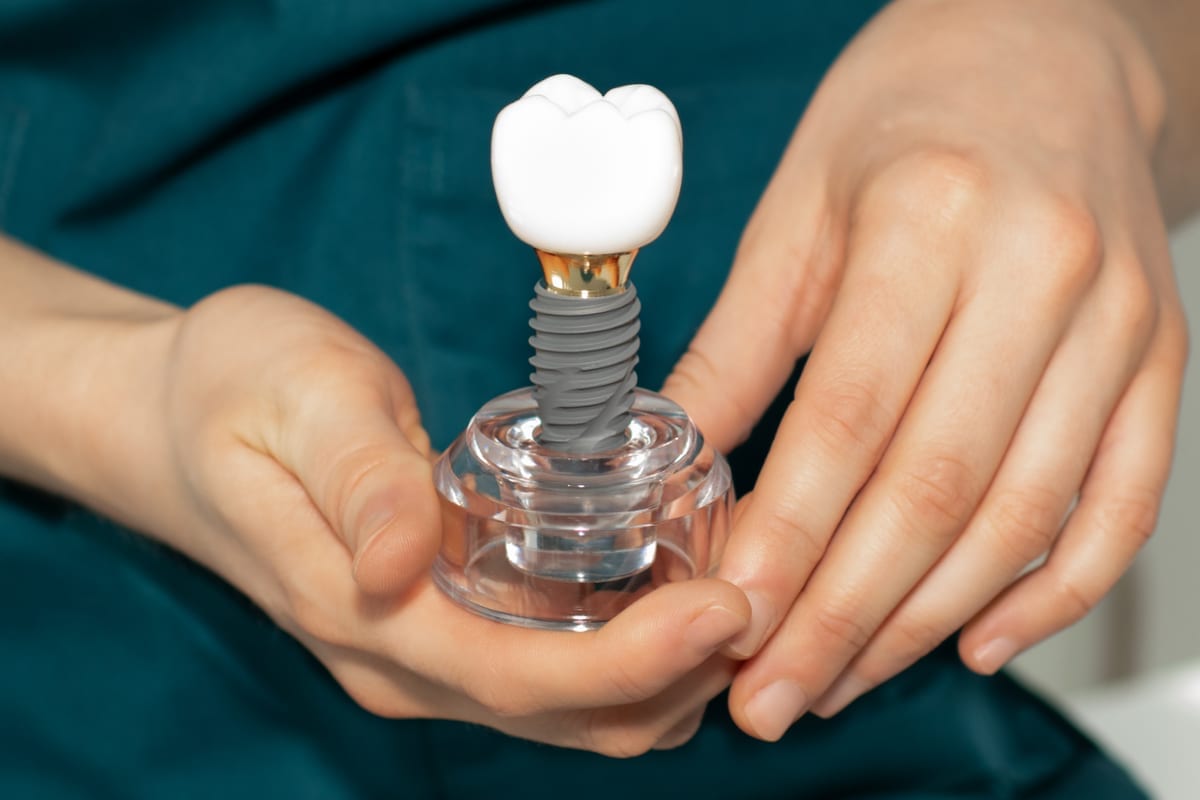
Dental implants act as artificial tooth roots made of biocompatible titanium. They fuse with your jawbone through a process called osseointegration. This fusion stimulates the bone just like a natural root does. No other tooth replacement option — not dentures or bridges — prevents bone loss this way.
- Bone loss begins within the first few months after tooth loss
- Up to 25% of jawbone width can be lost in the first year alone
- Implants are the only restorations that actively stimulate bone growth
- Waiting too long may require bone grafting before implant placement
Warning Sign #3 — Chewing Has Become Painful or Difficult in Mooresville
Difficulty chewing is a major red flag that patients often normalize. Many people quietly stop eating certain foods and never connect it to tooth loss. Steak, raw vegetables, and crusty bread slowly disappear from their diet. That dietary shift affects nutrition and overall health.
Chewing difficulty can also signal shifting teeth or bone deterioration. When your bite is misaligned, your jaw muscles work harder than they should. This causes soreness, headaches, and even jaw joint problems over time. These issues compound the longer treatment is delayed.
Dental implants restore full chewing function because they are anchored in bone. They do not slip or rock the way dentures sometimes can. Patients report being able to eat their favorite foods again after implant restoration. That is a meaningful return to everyday quality of life.
Warning Sign #4 — Your Dentures or Bridge No Longer Fit Properly
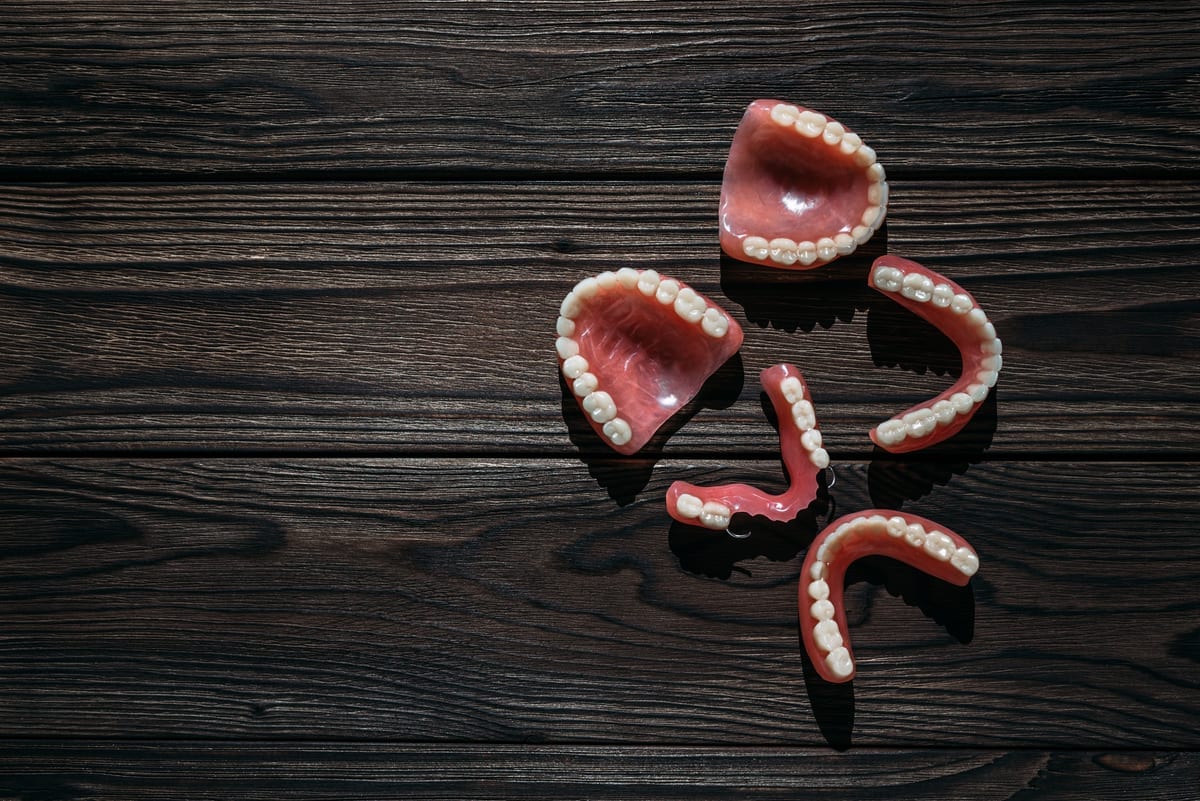
Ill-fitting dentures are a sign that your jawbone has changed shape underneath. Bone resorption changes the ridge that dentures sit on. As the ridge shrinks, the fit becomes looser and less secure. This is frustrating, uncomfortable, and potentially embarrassing for patients.
Dental bridges are another common solution that can fail over time. A bridge relies on adjacent teeth for support. Those support teeth are filed down and placed under constant stress. Eventually, the supporting teeth can weaken, shift, or develop decay underneath the bridge.
Implants solve both of these problems at the root level — literally. They do not depend on neighboring teeth for support. They do not lose their fit as bone changes. An implant-supported restoration can last decades with proper care.
- Dentures may need relining or replacement every few years due to bone changes
- Traditional bridges involve grinding down healthy adjacent teeth
- Implants preserve surrounding teeth completely
- Implant-supported dentures offer far superior stability over traditional dentures
- A single implant can replace a single tooth without affecting neighbors
What Happens When You Wait Too Long
Delaying implant treatment is rarely neutral — it almost always makes things worse. Bone loss accelerates the longer a gap remains. Shifting teeth create new alignment problems. Chewing difficulties worsen and affect your nutrition and overall health.
Patients who wait often require bone grafting before implants can be placed. Grafting adds time, cost, and recovery to the process. Some patients wait so long that they no longer have enough bone for a standard implant at all. Early action preserves your options and simplifies your treatment plan.
At Lumora Implant Dentistry, Dr. Gonzalez evaluates each patient individually. He uses advanced imaging to assess bone density and tooth position. A personalized treatment plan addresses your specific warning signs. The goal is always to give you the simplest, most effective path to a healthy smile.
Understanding your financial options is also part of making a confident decision. Learn more about Dental Implant Financing Mooresville to find a payment plan that works for your situation. Financial flexibility should never be a barrier to getting the care your smile needs.
Your Next Step With Dr. Gonzalez in Mooresville
If you recognize any of these warning signs, do not wait for them to get worse. Shifting teeth, bone loss, and chewing problems are not issues that resolve on their own. They are signals your body is sending — and they deserve a professional response. Dr. Gonzalez and the Lumora Implant Dentistry team are here to help you take action.
Scheduling a consultation is the first and most important step. During your visit, Dr. Gonzalez will review your dental history and take necessary imaging. You will leave with a clear understanding of your current situation and your options. There is no pressure — just honest, educational guidance from a trusted Mooresville dental team.
Your smile is worth protecting, and the best time to act is now. Book Now to schedule your appointment with our team.
Frequently Asked Questions
How do I know if I am a good candidate for dental implants in Mooresville?
Most adults with missing teeth are candidates for dental implants. Dr. Gonzalez evaluates bone density, gum health, and overall oral health during your consultation. Patients with some bone loss may still qualify after a bone grafting procedure. The best way to find out is to schedule an evaluation at Lumora Implant Dentistry.
How soon after losing a tooth should I consider a dental implant?
The sooner the better. Bone loss begins within months of losing a tooth. Acting early reduces the risk of needing additional procedures like bone grafting. Many dentists recommend starting the implant process as soon as the extraction site heals.
Can shifting teeth cause permanent damage if left untreated?
Yes, shifting teeth can cause permanent changes to your bite, jaw alignment, and even facial structure. Neighboring teeth under abnormal stress can crack, chip, or eventually fall out. The longer a gap remains open, the more complex and costly the correction becomes. Dental implants stop this process by filling the gap and anchoring surrounding teeth in place.
Are dental implants a long-term solution?
Dental implants are designed to be a permanent, long-term restoration. With proper oral hygiene and regular dental visits, implants can last 20 years or more — often a lifetime. They are considered the gold standard for tooth replacement because they replicate both the function and feel of natural teeth. No other restoration offers the same durability and bone-preserving benefits.
What is the difference between implants, dentures, and dental bridges?
Dental implants are anchored directly into the jawbone and act as artificial tooth roots. Dentures rest on the gum surface and can become loose as bone changes over time. Bridges are fixed restorations that rely on adjacent teeth for support, which requires grinding those teeth down. Implants preserve neighboring teeth, prevent bone loss, and provide the most stable, natural-feeling result of the three options.

Complimentary 3D Xray and Consultation - Book Online
Shape your final smile for bite, feel and look—down to shade and shape—and even test-drive it first. Fully optimized. Fully you.
