(980) 447-8034


Getting a dental bridge is an exciting step toward restoring your smile. But many patients leave the dental chair with questions about what comes next. If you’re wondering what to expect after your dental bridge in Mooresville, you’re in the right place. Dr. Eduardo Gonzalez at Lumora Implant Dentistry has helped countless patients navigate recovery with confidence and comfort.
Understanding the Dental Bridge Recovery Timeline in Mooresville
Recovery after a dental bridge is typically straightforward. Most patients feel significant improvement within the first two weeks. However, the complete healing process can take four to six weeks depending on your individual situation.
During the first few days, expect mild soreness around the treated area. Your gums may feel tender where the bridge meets the supporting teeth. This is completely normal and expected after any restorative dental procedure.
By the end of week one, most discomfort fades noticeably. Your mouth begins to adjust to the feel of the new bridge. By week two, most patients report feeling back to normal in daily activities.
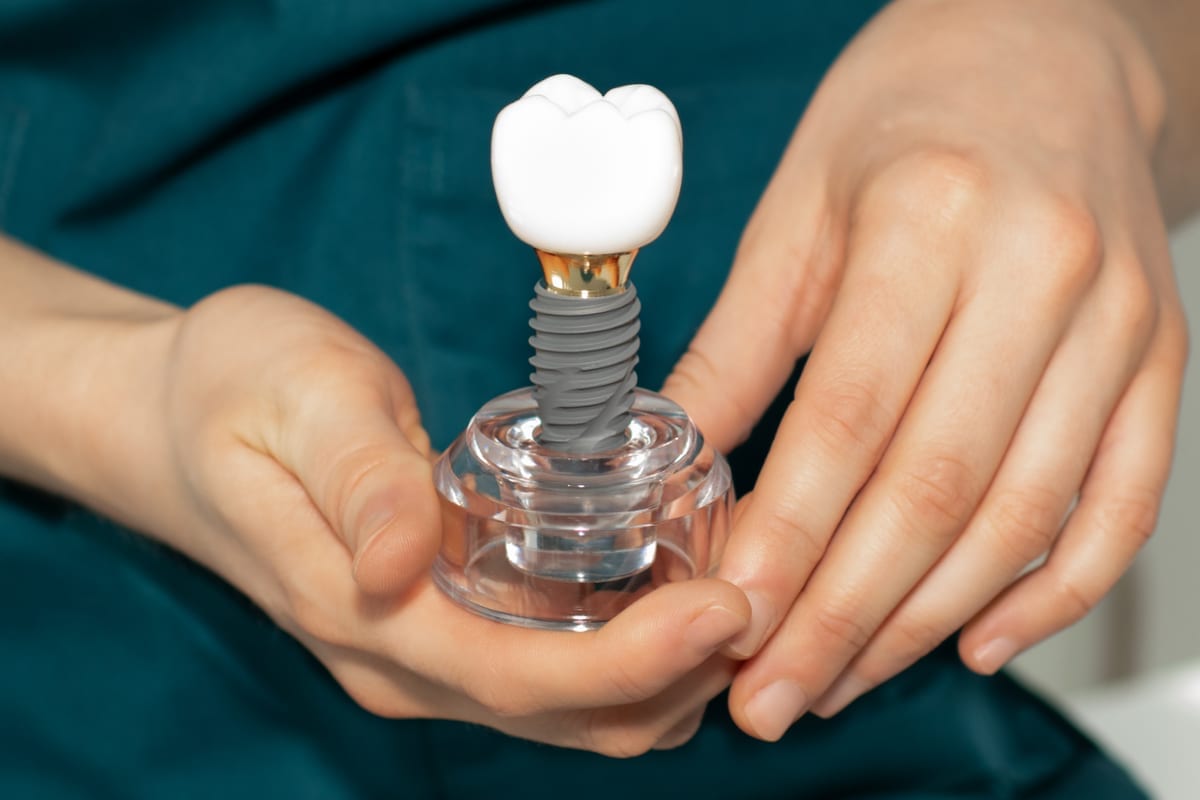
Keep in mind that Implant Bridges may have a slightly different healing timeline. They require the implant post to fully integrate with the jawbone. Dr. Gonzalez will give you a personalized timeline during your consultation.
What to Eat After Your Dental Bridge Procedure
Your diet plays a huge role in a smooth recovery. What you eat in the first few days can protect the bridge and support healing. Following the right food guidelines helps prevent sensitivity and dislodgement.
For the first 24 to 48 hours, stick to soft, cool foods. Avoid anything too hot, crunchy, or chewy. Your mouth is still adjusting and needs time to settle.
Here are some great soft food options for early recovery:
- Yogurt and smoothies
- Mashed potatoes and soft vegetables
- Scrambled eggs or soft-cooked fish
- Oatmeal and cream of wheat
- Soup broth (not too hot)
After the first week, you can gradually reintroduce normal foods. Start with semi-soft foods before moving to harder textures. Always chew on both sides of your mouth evenly to reduce pressure on the bridge.
Foods to continue avoiding during full recovery include sticky candies, hard nuts, and raw carrots. These can put stress on the bridge or surrounding teeth. When in doubt, choose softer alternatives until you get the all-clear from Dr. Gonzalez.
Managing Pain and Sensitivity After Your Bridge Placement
Some discomfort after a dental bridge procedure is normal. The good news is that most patients find it very manageable. Knowing what to expect helps you stay calm and handle it effectively.
Over-the-counter pain relievers like ibuprofen or acetaminophen work well for most patients. Take them as directed on the label. Avoid aspirin in the first 24 hours, as it can increase bleeding.
Cold sensitivity is also common after bridge placement. Your teeth may react to cold drinks or air for the first week or two. This sensitivity usually decreases as your mouth heals naturally.
Here are helpful pain management tips recommended at Lumora Implant Dentistry:
- Apply a cold pack to your cheek for the first 24 hours
- Rinse gently with warm salt water after meals
- Avoid smoking or tobacco, which slows healing
- Sleep with your head slightly elevated the first night
- Avoid vigorous rinsing or spitting right after treatment
If sensitivity persists beyond two weeks, let Dr. Gonzalez know. Lingering pain could signal an issue with the bite alignment. A simple adjustment appointment can often resolve this quickly.
Caring for Your New Dental Bridge at Home
Good home care is essential for the long-term success of your bridge. The right oral hygiene habits protect both the bridge and the supporting teeth. Starting strong habits early makes a big difference.
Brush your teeth at least twice daily with a soft-bristled toothbrush. Be gentle around the bridge area, especially near the gumline. Use a non-abrasive toothpaste to avoid scratching the crown surfaces.
Flossing under and around the bridge is just as important. Use a floss threader or interdental brush to clean beneath the bridge pontic. This prevents plaque buildup and gum disease in hard-to-reach spots.
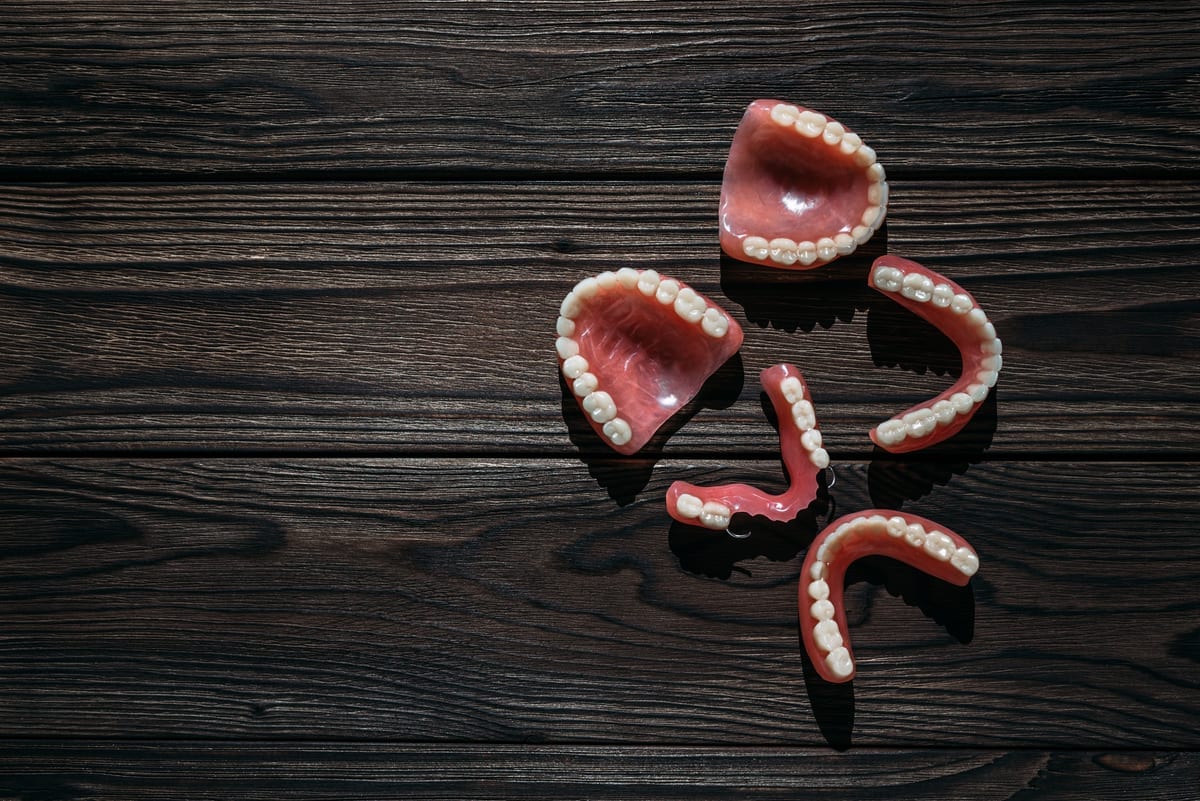
Patients exploring full-arch restoration may also want to learn about Implant Supported Dentures as an alternative option. Dr. Gonzalez can help determine the best solution for your smile goals. Each treatment has its own care and recovery needs.
When to Call Lumora Implant Dentistry in Mooresville
Most recovery experiences are smooth and uneventful. However, some symptoms do require prompt attention from Dr. Gonzalez. Knowing when to call the office helps you avoid complications.
Contact Lumora Implant Dentistry right away if you notice any of the following:
- Severe or worsening pain that doesn’t respond to pain relievers
- Swelling that gets worse after the second day
- The bridge feels loose or shifts when you bite
- Fever or signs of infection like discharge or foul taste
- Bite feels off or uneven after the first few days
These signs are not common, but they are important to address quickly. Early intervention prevents small issues from becoming larger problems. The Lumora Implant Dentistry team is always here to help Mooresville patients feel confident and cared for.
Your Path to a Comfortable Recovery in Mooresville
A dental bridge can dramatically improve your smile, bite, and confidence. The recovery process is shorter and more manageable than many patients expect. With the right guidance and home care, most people return to normal routines within two weeks.
Dr. Eduardo Gonzalez and the team at Lumora Implant Dentistry are proud to serve patients throughout Mooresville, NC. We take a personalized approach to every stage of your care — including recovery. You’ll never feel like you’re navigating this process alone.
If you have questions about your bridge recovery or want to explore your restorative options, reach out to our team today. Book Now to schedule your appointment with our team.
Frequently Asked Questions
How long does it take to recover from a dental bridge procedure?
Most patients recover within two to four weeks. The initial soreness typically subsides within the first several days. Full tissue healing can take up to six weeks for some patients, especially if additional procedures were performed at the same appointment.
Is it normal for my bite to feel different after getting a bridge?
Yes, some bite adjustment is completely normal. Your mouth needs time to adapt to the new restoration. If the bite still feels off after one week, contact Dr. Gonzalez for a quick adjustment — this is a simple and common fix.
Can I eat normally right after getting a dental bridge?
You should stick to soft foods for the first 24 to 48 hours after your bridge placement. Avoid sticky, hard, or very hot foods during this period. Gradually reintroduce your normal diet as sensitivity decreases and your mouth heals.
How do I clean under my dental bridge?
Use a floss threader, super floss, or an interdental brush to clean beneath the bridge each day. Regular brushing and rinsing with an antibacterial mouthwash also help keep the area clean. Proper cleaning extends the life of your bridge significantly.
What is the difference between a traditional dental bridge and an implant bridge?
A traditional dental bridge uses neighboring natural teeth as anchors. An implant bridge is supported by dental implant posts placed directly into the jawbone. Implant bridges often feel more natural and do not require altering adjacent healthy teeth.

Complimentary 3D Xray and Consultation - Book Online
Shape your final smile for bite, feel and look—down to shade and shape—and even test-drive it first. Fully optimized. Fully you.
