(980) 447-8034

Dental Implants: A Complete Guide to Restoring Your Smile
Dental implants have transformed the way people replace missing teeth. They offer a permanent, natural-looking solution that goes beyond what traditional dentures or bridges provide. Understanding how implants work can help you make informed decisions about your oral health. This guide walks you through everything you need to know — from the basics to the recovery process.
What Are Dental Implants?
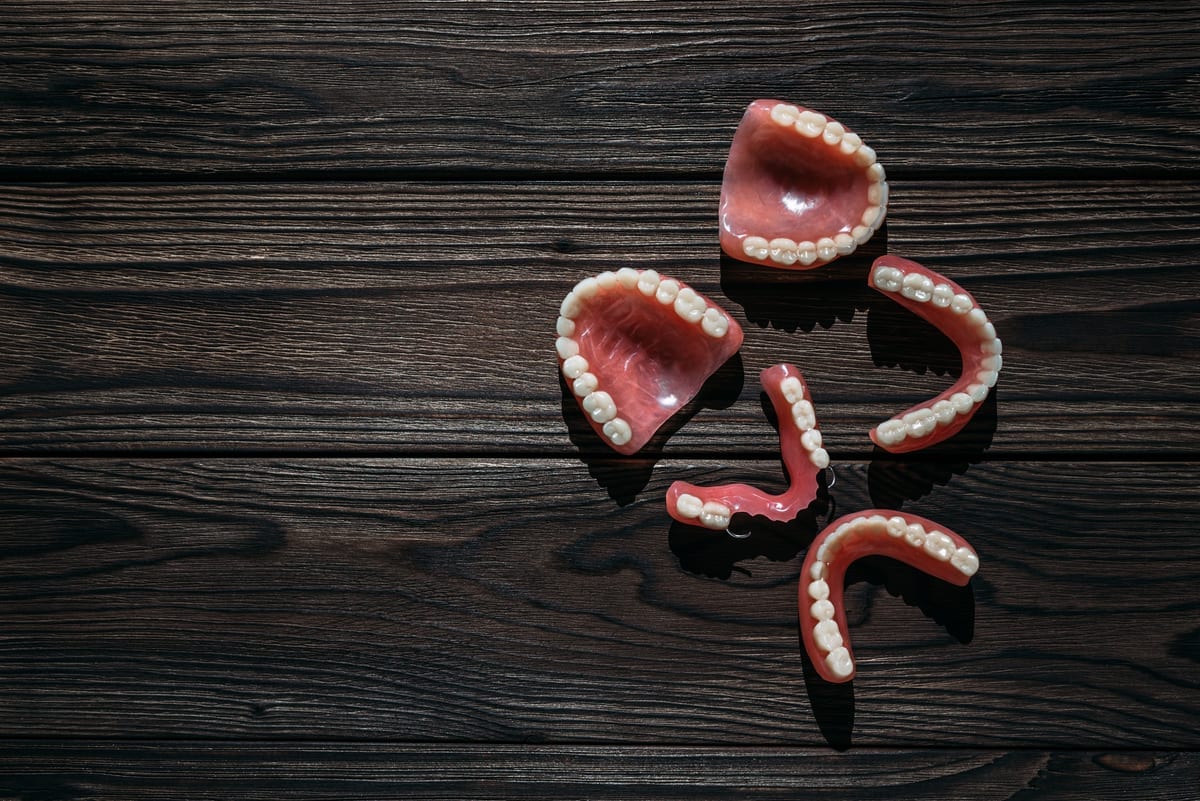
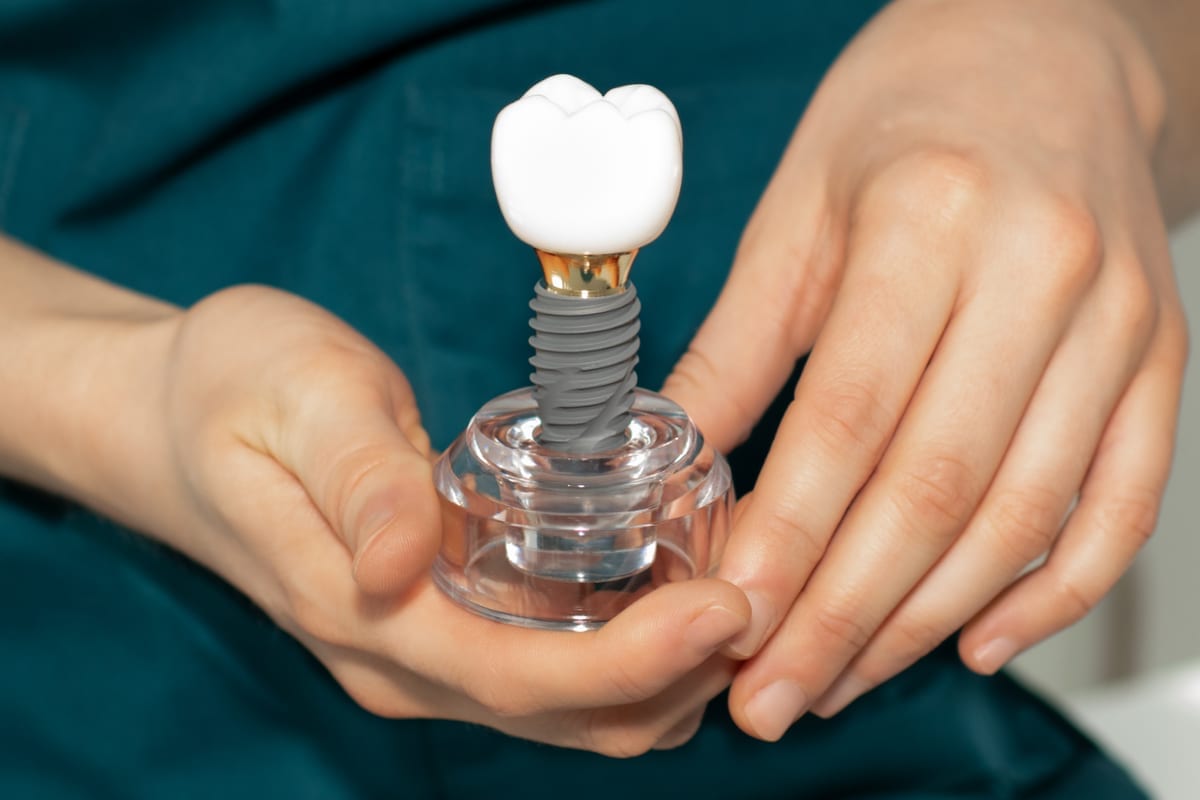
Dental implants are small titanium posts surgically placed into the jawbone. They act as artificial tooth roots, providing a stable foundation for replacement teeth. Once the implant fuses with the bone, a custom crown is attached on top. The result looks, feels, and functions like a natural tooth. Implants are designed to be a long-term solution, often lasting decades with proper care. They are different from dentures because they are fixed in place. There is no slipping, clicking, or removal required. Most patients find that implants closely mimic the experience of having natural teeth.
Who Is a Good Candidate for Dental Implants?
Not everyone is immediately eligible for dental implants. A good candidate typically has healthy gums and sufficient jawbone density to support the implant. Adults who have lost one or more teeth due to injury, decay, or gum disease are often considered. Patients must also be committed to good oral hygiene habits. Certain health conditions, such as uncontrolled diabetes or active gum disease, may need to be addressed before treatment begins. Younger patients whose jaws are still developing are generally not candidates. Our dental team carefully evaluates each patient to determine the right approach. A thorough consultation helps identify whether implants are the best option for your specific situation.
The Dental Implant Procedure: Step by Step
The implant process typically takes place over several months. It begins with a comprehensive exam, including X-rays and sometimes 3D imaging. This allows the team to assess bone structure and plan the placement precisely. The surgical phase involves placing the titanium post into the jawbone under local anesthesia. After surgery, a healing period called osseointegration begins. During this time, the implant fuses with the surrounding bone tissue. This process usually takes three to six months. Once healing is complete, an abutment is attached to the post. Finally, a custom-made crown is secured on top. Each stage is carefully monitored to ensure the best outcome.
Recovery and Aftercare Following Dental Implants
Recovery after implant surgery is usually manageable for most patients. Some swelling, bruising, and mild discomfort are common in the first few days. Cold compresses and prescribed or recommended medications can help ease these symptoms. Most patients return to regular activities within a day or two. It is important to follow specific dietary guidelines during the healing phase. Soft foods are recommended while the site heals. Patients should also avoid smoking, as it can interfere with osseointegration. Good oral hygiene — including brushing, flossing, and regular dental visits — is essential for long-term success. Routine check-ups help our dental team monitor the implant and surrounding tissues over time. Learn more about our full range of restorative and preventive services.
Benefits of Choosing Dental Implants Over Other Options
Dental implants offer several advantages that other tooth replacement options do not. First, they preserve jawbone by stimulating it the same way natural tooth roots do. Without this stimulation, bone loss can occur over time after tooth loss. Implants also help maintain the natural shape of the face and jaw. Unlike removable dentures, implants do not require adhesives or special soaking solutions. They also do not affect neighboring teeth the way traditional bridges sometimes do. Bridges require the adjacent teeth to be filed down, which is not necessary with implants. For patients who prioritize both function and aesthetics, implants are often the preferred long-term choice. They support activities like eating, speaking, and smiling with confidence.
How to Care for Your Dental Implants Long-Term
Caring for dental implants is similar to caring for natural teeth. Brushing twice a day with a soft-bristled toothbrush is recommended. Flossing daily helps remove plaque from around the implant and gumline. Using a non-abrasive toothpaste protects the crown surface from scratching. Patients should also visit their dentist regularly for professional cleanings and check-ups. During these visits, the dentist examines the implant, surrounding gum tissue, and bone levels. Catching any concerns early helps prevent complications. Habits like chewing ice, grinding teeth, or using teeth as tools should be avoided. If you grind your teeth at night, a custom night guard may be recommended. With consistent care, dental implants can last a lifetime. Contact our team to schedule your implant consultation today.
Dental implants represent one of the most significant advances in modern dentistry. They restore both the look and function of a natural smile in a way few other treatments can match. Understanding the process, candidacy requirements, and aftercare involved helps patients feel confident and prepared. At Lumora Implant Dentistry, our dental team is committed to providing thorough education at every step. We believe informed patients make better decisions for their long-term oral health. Learn more about our approach and our team. Whether you are just beginning to explore your options or are ready to take the next step, we are here to guide you through the process with care and expertise.
Frequently Asked Questions
How long do dental implants last?
With proper care, dental implants can last 20 years or more — and in many cases, a lifetime. The crown attached to the implant may need replacement after 10 to 15 years due to normal wear. Regular dental visits and good oral hygiene are key to maximizing implant longevity.
Does the dental implant procedure hurt?
The procedure is performed under local anesthesia, so patients typically feel little to no pain during surgery. Some soreness and swelling may occur in the days following the procedure. Most patients find the discomfort manageable and report that recovery is easier than they expected.
How many teeth can be replaced with implants?
Dental implants can replace a single tooth, multiple teeth, or even a full arch. For patients missing all teeth, implant-supported dentures or full-arch restorations are options worth discussing with your dental team. Each case is evaluated individually to determine the best treatment plan.
Is bone loss a concern with dental implants?
One of the key benefits of implants is that they help prevent bone loss. The titanium post stimulates the jawbone the way a natural tooth root does. This stimulation helps maintain bone density over time, which is something dentures and bridges cannot provide.
What should I avoid after getting a dental implant?
After implant surgery, patients should avoid hard or crunchy foods, smoking, and strenuous physical activity for a period of time. Smoking is especially important to avoid, as it can significantly slow healing and affect osseointegration. Your dental team will provide specific aftercare instructions tailored to your situation.

Complimentary 3D Xray and Consultation - Book Online
Shape your final smile for bite, feel and look—down to shade and shape—and even test-drive it first. Fully optimized. Fully you.
