(980) 447-8034


Replacing missing teeth has been transformed with dental implants, offering a long-lasting and secure alternative. Many people may think only of the actual surgical procedure; however, there is another vital aspect of this dental journey: the dental cleaning. Before, during, and after the procedure, cleanings play a crucial role and determine the outcome and longevity of your implant.
If you’re considering implants in Mooresville, understanding how dental cleanings will affect the procedure will help you achieve a positive, lasting outcome and eliminate potentially unpleasant complications. Cleaning prior to and after implant placement is not an option but a necessity.
The Importance of Cleanings Before Implant Placement
For your implant dentist to successfully place an implant, your oral cavity must be healthy and free of minor or early signs of bacterial irritants, which could disrupt healing and lead to failure.
- Prevent infection: Cleanings help remove buildup and harmful bacteria that can compromise the implant site.
- Supports gum health: Your gums need to be firm, stable, and disease-free to properly receive the dental implants in Mooresville.
- Identifies undiagnosed conditions: During the cleaning process, many early indicators of potential issues, such as periodontal disease or decay, can be detected and treated prior to implant surgery.
- Improves healing conditions: A healthy oral environment encourages healing for the implant site.
For many living in Mooresville, the lake lifestyle around Lake Norman, with activities centered outside of the home and around water, may cause their oral hygiene to take a back seat. However, maintaining this focus prior to implant placement is of utmost importance.
What Happens During a Pre-Implant Cleaning
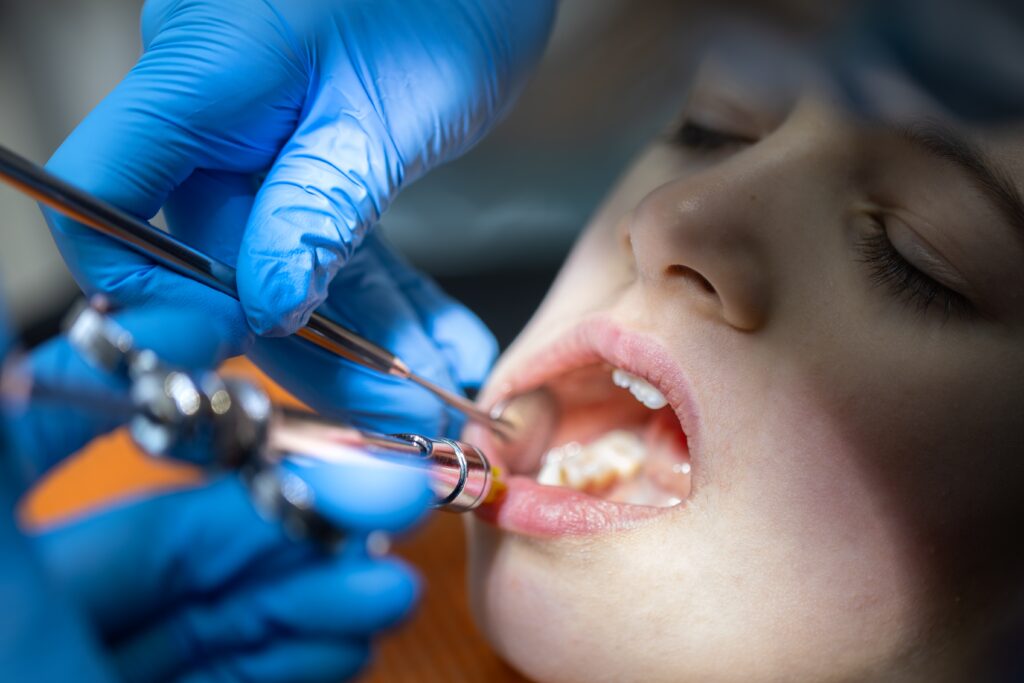
Prior to implant placement, a comprehensive cleaning, beyond home brushing and flossing, is typically scheduled. The cleaning session will involve removing calcified debris from the teeth and any surface stains that may have accumulated. The dentist will also take a closer look at your gums to assess overall gum health and bone support surrounding the site of the intended implant. You will also receive tips for optimizing your at-home oral hygiene routine for maximum benefit.
Through a successful pre-implant cleaning, your mouth is properly prepared, setting the stage for an complication-free outcome.
The Importance of Cleanings After Implant Placement
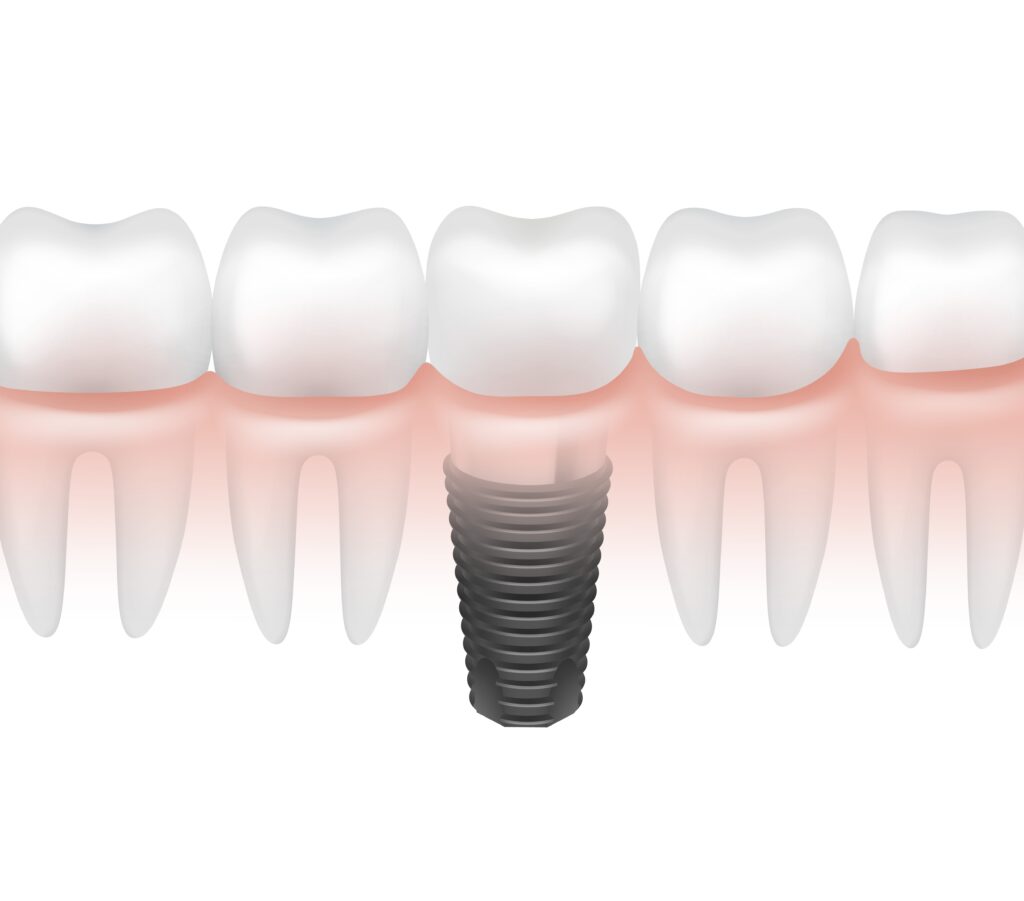
Once your implant has been placed, the healing process and long-term success are of great importance. Many may assume that after receiving an implant, regular oral care becomes redundant. This is far from the truth; implants, though artificial, require diligent maintenance, much like natural teeth.
Protecting The Implant Site
After the surgery, a certain degree of integration is required to connect the implant and the surrounding bone and tissue. The subsequent cleanings performed by your dentist will:
- Prevent peri-implantitis: This condition affects the tissues that support the implant and is treated effectively if caught at an early stage.
- Control the development of plaque: Even though implants are synthetic, plaque can still build up around them, as it does around natural teeth, irritating the surrounding tissues.
- Maintain healthy tissue: Healthy gum tissue surrounding your implant is integral to the overall health of the entire oral structure.
Supporting Long-term Success
The overall lifespan of your dental implant will be significantly influenced by regular professional cleanings and ongoing care.
- Maintaining a healthy environment for the surrounding teeth and gums.
- Minimizing the spread of infection from existing dental health issues to the implant site.
- Prompt detection and treatment of complications, as they may arise.
- Balancing your entire oral health.
For locals who enjoy the many restaurants in the heart of Mooresville, consistent and vigilant oral care after receiving dental implants will also be an essential for maintaining their desired oral health, given the varied diets and social engagements inherent to city living.
How Often Should You Schedule Cleanings?
The interval at which you need cleanings will be determined by your oral health and the stage in your implant process. The general guidelines are as follows:
- Prior to Implant Placement: It is advisable to have 1 or more cleanings to achieve the best results.
- Post-surgery: Once the initial healing has occurred, a follow-up cleaning can be arranged.
- Long-term Maintenance: Cleaning every 3 to 6 months is recommended.
Your implant dentist will modify this schedule according to your gum condition, healing ratio and oral health.
Signs You Should Not Delay a Cleaning
They take precautions only when they run into problems. However, taking precautions before problems occur is better in the long run.
Watch for these signs:
- Swelling or tenderness over or around the site of the implant
- Gums bleeding when brushing/flossing
- Visible plaque or tartar buildup
- Persistent bad breath
- Sensitivity around the surrounding teeth
If you observe any of the above, you may want to schedule your cleaning a little earlier to avoid further problems.
Daily Habits That Support Professional Cleanings
Professional cleanings are crucial, but your everyday practices at home are just as important.
Simple Habits That Make a Difference:
- Use a soft toothbrush for toothbrushing at least twice a day.
- Incorporate skillful flossing between natural teeth and in the implant areas.
- Select a non-abrasive toothpaste.
- If advised, rinse with an antibacterial mouthwash.
- Avoid consuming an overindulgence in sugary or acidic foods.
When life is hectic, such as in a community like Mooresville.
Common Misconceptions About Cleanings and Implants
There are also several myths that can contribute to inadequate implant maintenance.
Myth vs Reality
- “Implants don’t need cleaning.”
The presence of implants requires normal daily cleaning to prevent gum infection and peri-implantitis.
- “Once it is put, the job is finished.”
Careful attention must be paid to the ongoing maintenance and the cleaning of the implant to ensure its long-term stability and function.
- “Home care is enough.”
A good home care routine is important, but plaque and tartar can still build up in the mouth, and removing them requires professional cleanings.
Having these facts clear in mind will help you make educated decisions to preserve your implants and make them last for years. Daily care is important for the health and longevity of your smile.
A Healthier Smile Starts With Consistent Care
To look and function like natural teeth, dental implants depend on the health of the surrounding tissue in your mouth. By cleaning it up pre-operatively, you can assure it is as ready as possible for your implant. Postoperatively, continued cleanings support long-term success.
If you are interested in or already receiving treatment, take this time to establish a firm routine. Lumora Implant Dentistry can provide a free, no-obligation dental implants consultation. Call us today to set an appointment and take the next steps to healthy teeth.
Questions People Ask About Dental Cleaning & Implants
Why are cleanings necessary before getting implants?
Cleanings remove bacteria, plaque, and tartar that can interfere with healing. A clean oral environment reduces infection risk and ensures that the gums are healthy enough to support implant placement. This step helps create stable conditions for the procedure and improves the chances of long-term success.
Can implants fail without regular cleanings?
Yes, lack of cleaning can lead to plaque buildup and gum inflammation around the implant. Over time, this may cause peri-implantitis, which can weaken the supporting bone. Regular cleanings help prevent these issues and support the stability of the implant.
Are cleanings different after implant placement?
Cleanings after implants often focus more on protecting the surrounding tissues. Special tools and techniques may be used to avoid damaging the implant surface. The goal is to remove buildup while maintaining the integrity of both the implant and nearby gums.
How soon after implant surgery can I get a cleaning?
The timing depends on your healing progress. Typically, a follow-up cleaning is scheduled after the initial healing phase. Your provider will determine the right timing based on how your gums and bone are responding to the implant placement.
Do implants get cavities like natural teeth?
Implants themselves do not develop cavities because they are made of artificial materials. However, the surrounding gums and bone can still be affected by plaque and bacteria. Regular cleanings are essential to keep these supporting structures healthy.
What happens if I skip regular cleanings after implants?
Skipping cleanings increases the risk of gum inflammation and infection around the implant. Over time, this can lead to bone loss and instability. Regular visits help detect early issues and maintain the health of both the implant and surrounding tissues.

Complimentary 3D Xray and Consultation - Book Online
Shape your final smile for bite, feel and look—down to shade and shape—and even test-drive it first. Fully optimized. Fully you.
