Find Us


There are very few dental treatment options that can restore your smile and regain functionality quite like dental implants. How many implants are needed to support full-arch dentures, and what does the process entail? Whether you are looking to replace missing teeth or secure dentures, understanding the process can help you decide.
At Lumora Implant Dentistry, we understand that choosing the right treatment is a big step. Full arch dentures supported by implants offer a superior solution compared to traditional dentures. In this blog, we’ll break down everything you need to know about implant-supported dentures, how many implants are necessary, and the benefits they bring to your oral health and confidence.
What Are Implant-Supported Full Arch Dentures?
Before diving into the number of implants required, it’s essential to understand what implant-supported full arch dentures are. This treatment involves placing dental implants into the jawbone to serve as anchors for a full set of dentures. Unlike traditional dentures that rest on your gums and can slip or shift, implant-supported dentures are stable, comfortable, and secure.
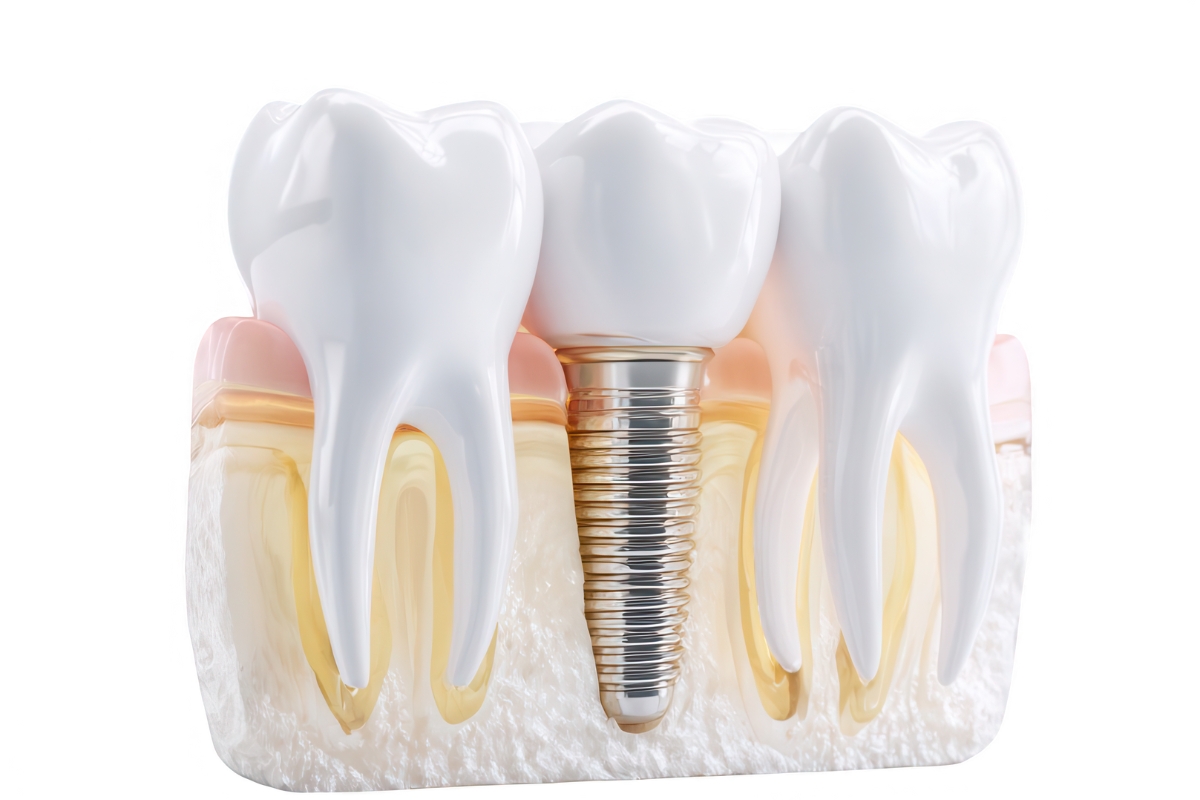
Implants mimic the root of a natural tooth, providing a more permanent solution that doesn’t require adhesives or daily removal. The full set of dentures attaches to the implants, giving you a complete, functional smile.
How Many Implants Are Needed for Full Arch Dentures?
The number of dental implants required for full arch dentures can vary based on several factors, such as the patient’s bone structure, the type of restoration, and the amount of support needed. Generally, you will need between 4 and 8 implants to secure a full arch of dentures effectively. However, the exact number will depend on your specific case and your dentist’s advice.
Factors Affecting the Number of Implants
- Bone Density: Healthy, dense bone is essential for implant stability. If you have lost bone mass due to tooth loss, you may require additional implants for better support. Some patients might need a bone graft before proceeding with the implants.
- Implant Type: There are several types of implants used for full-arch dentures. In some cases, a smaller number of implants, such as All-on-4, can be used to secure a full set of dentures. This technique uses four strategically placed implants to support the arch, making it a popular option for those with moderate bone loss.
- Patient’s Bite and Functionality Needs: The more implants you have, the more support your dentures will have, especially when chewing. More implants can also improve the overall stability of the denture.
- Dentist’s Expertise: Your dentist at Lumora Implant Dentistry will assess your specific needs and develop a customized treatment plan based on your health and dental goals.
Why Choose Implant-Supported Dentures?
Implant-supported dentures provide numerous benefits over traditional dentures, including:
- Improved Stability: Traditional dentures can slip or shift, but implants keep your dentures securely in place. This stability provides confidence while eating, speaking, and smiling.
- Better Comfort: Unlike traditional dentures, which can cause gum irritation, implant-supported dentures fit better and are more comfortable because they integrate with your bone.
- Bone Health: Implants help stimulate your jawbone, preventing bone loss. When a tooth is missing, the bone around it can deteriorate. Implants stimulate the bone, maintaining its shape and strength.
- Natural Look and Feel: With implant-supported dentures, your smile will look more natural. These implants are designed to mimic the look and function of natural teeth.
- No Need for Adhesives: With implants, you won’t need to rely on messy adhesives to keep your dentures in place.
The All-on-4 Technique: A Popular Solution for Full Arch Dentures
The All-on-4 treatment is one of the most innovative ways to replace a full arch of teeth using dental implants. As the name suggests, only four dental implants are used to support a full arch of dentures. The implants are strategically placed in the jaw to ensure maximum stability and support, even for patients with limited bone density.
This method offers several benefits:
- Fewer Implants, More Stability: Despite using only four implants, the All-on-4 technique provides excellent support for your full set of dentures.
- Faster Recovery: With fewer implants, recovery time is often shorter than with traditional methods.
- Less Invasive: The All-on-4 procedure is less invasive, and many patients experience a quicker return to normal daily activities.
How Long Does the Process Take?
The process of getting implant-supported dentures typically involves multiple stages, including consultations, surgery, healing time, and fitting the final denture. Here’s what you can expect:
- Consultation and Imaging: Your dentist will perform an initial consultation to evaluate your oral health and take X-rays or 3D scans of your jawbone. This helps to determine how many implants are necessary.
- Implant Placement: The implants are surgically placed in the jawbone under local anesthesia. After the surgery, there will be a healing period of several months to allow the implants to integrate with the bone.
- Fitting the Denture: Once the implants have fused with the bone (a process called osseointegration), the final denture will be fitted. This step usually takes a few weeks to ensure the perfect fit.
- Final Adjustments: After your implant-supported dentures are placed, your dentist will make any final adjustments to ensure comfort and functionality.
Is Everyone a Candidate for Implant-Supported Dentures?
While implant-supported dentures offer a life-changing solution for many, not everyone is a suitable candidate. Factors that may influence your eligibility include:
- Bone Density: If you’ve experienced significant bone loss, you may need bone grafting before you can proceed with implants.
- Overall Health: Good general health is essential for healing after the implant procedure. Conditions like uncontrolled diabetes may affect your candidacy.
- Oral Hygiene: Maintaining good oral hygiene is crucial for the success of implants. Your dentist will assess your ability to care for your implants.
Prepare for Your Implant Consultation
If you’re considering implant-supported dentures, we invite you to schedule a consultation at Lumora Implant Dentistry. Our team is ready to help you explore the benefits of dental implants and how they can restore your smile and confidence.
People Also Ask
1. How do I know if I need more than four implants for my full arch dentures?
It depends on factors such as bone density, jaw structure, and personal needs. Your dentist at Lumora Implant Dentistry will assess these factors and recommend the ideal number of implants for you.
2. Are implant-supported dentures permanent?
Yes, implant-supported dentures are a long-term solution. With proper care, they can last for many years, even decades, providing you with a stable, comfortable smile.
3. Is the All-on-4 procedure painful?
The All-on-4 procedure is performed under anesthesia so that you won’t feel pain during the surgery. Afterward, there may be some discomfort during the healing period, but it is manageable with medication.
4. Can I eat normally with implant-supported dentures?
Yes, implant-supported dentures allow you to eat most foods comfortably. They are much more stable than traditional dentures, which can slip or cause discomfort.
Get Started Today
Begin your journey to a confident new smile with dental implants—schedule your free consultation today with our team.