(980) 447-8034

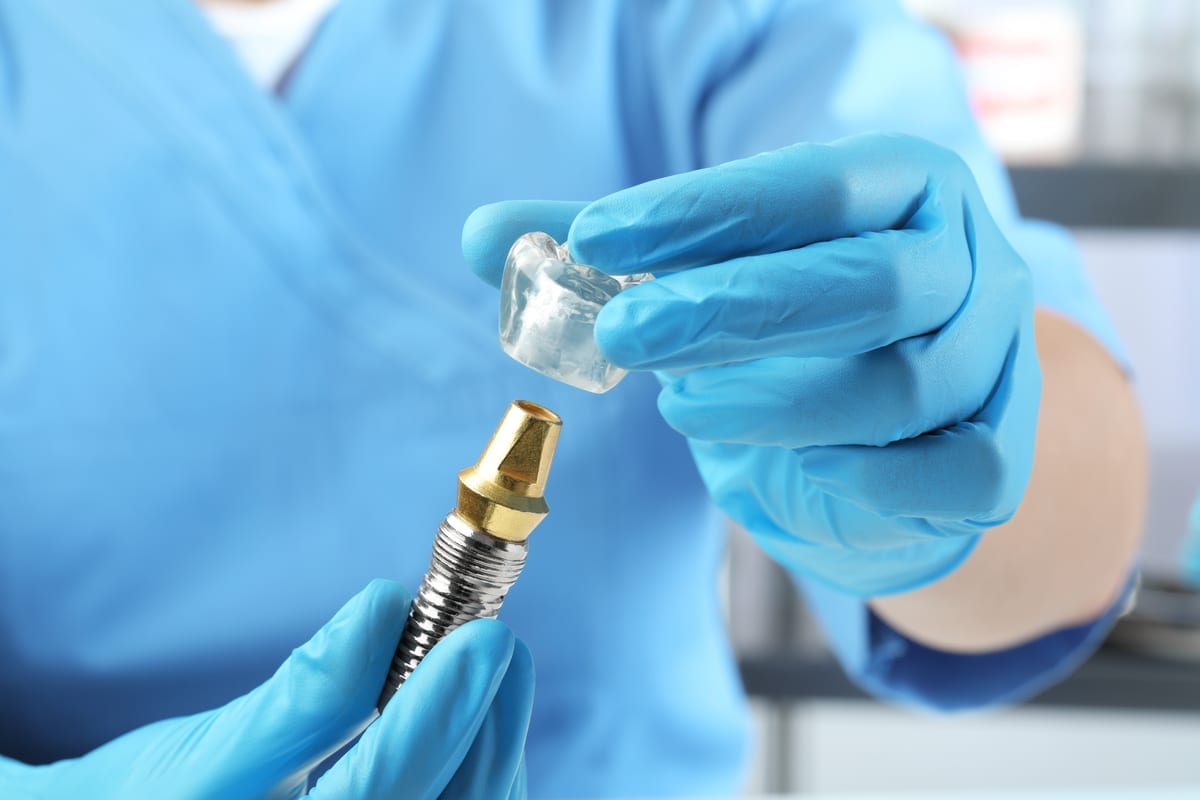
Your shifting teeth are signaling bone loss — don’t wait longer in Mooresville to get answers. Many patients assume loose or drifting teeth are just a cosmetic nuisance. In reality, they often point to something far more serious happening beneath the gumline. Dr. Eduardo Gonzalez at Lumora Implant Dentistry wants you to understand what these warning signs really mean.
Tooth loss triggers an invisible chain reaction in your jaw. Without a tooth root stimulating the bone, that bone begins to shrink. The longer you wait, the more bone disappears — and the harder restoring your smile becomes.
Why Shifting Teeth Are a Serious Warning Sign in Mooresville
When a tooth is lost or extracted, neighboring teeth lose their structural support. They begin to tilt, drift, and rotate into the empty space. This movement is not random — it is your jaw responding to a gap in its architecture.
Shifting teeth change your bite alignment. An uneven bite puts excessive pressure on certain teeth. Over time, that pressure causes cracking, wear, and even additional tooth loss. What started as one missing tooth can become a much bigger problem.
Patients in Mooresville sometimes notice these early changes and dismiss them. They assume the shift is minor or temporary. Unfortunately, bone resorption does not pause while you wait. It continues quietly and progressively every single day.
Bone Loss: The Hidden Consequence of Waiting Too Long
Your jawbone needs stimulation to stay dense and healthy. That stimulation normally comes from tooth roots during chewing and biting. When a root is gone, the bone in that area receives no signal. It begins to resorb — essentially dissolving itself over time.
Studies show that up to 25% of jawbone width can be lost within the first year after tooth loss. After three years, the loss becomes dramatically more significant. This structural change affects facial appearance, making the lower face look sunken or aged.
Warning signs of significant bone loss include:
- Teeth that look longer than they used to
- Visible gaps between teeth that were not there before
- A sunken or collapsed look around the lips and cheeks
- Dentures or partials that no longer fit properly
- Frequent sore spots under existing dental appliances
These signs mean the window for simpler treatment may be closing. Acting now gives Dr. Gonzalez more options to restore your smile effectively.
Difficulty Chewing Is Not Normal — It Is a Red Flag
Many patients adapt to chewing difficulties so gradually they stop noticing. They avoid hard foods without realizing it. They chew only on one side of the mouth to compensate. These habits feel normal after a while, but they are not.
Uneven chewing forces stress onto your remaining healthy teeth. It also strains your jaw joints, which can lead to TMJ discomfort and chronic headaches. Your diet often changes too — softer, processed foods replace nutritious options that require real chewing force.
If eating has become uncomfortable, limited, or painful, that is your body signaling a structural problem. Difficulty chewing is one of the clearest signs that bone and tooth loss have already progressed. Waiting longer only deepens the impact on your overall health and nutrition.
How Dental Implants Address Bone Loss Directly
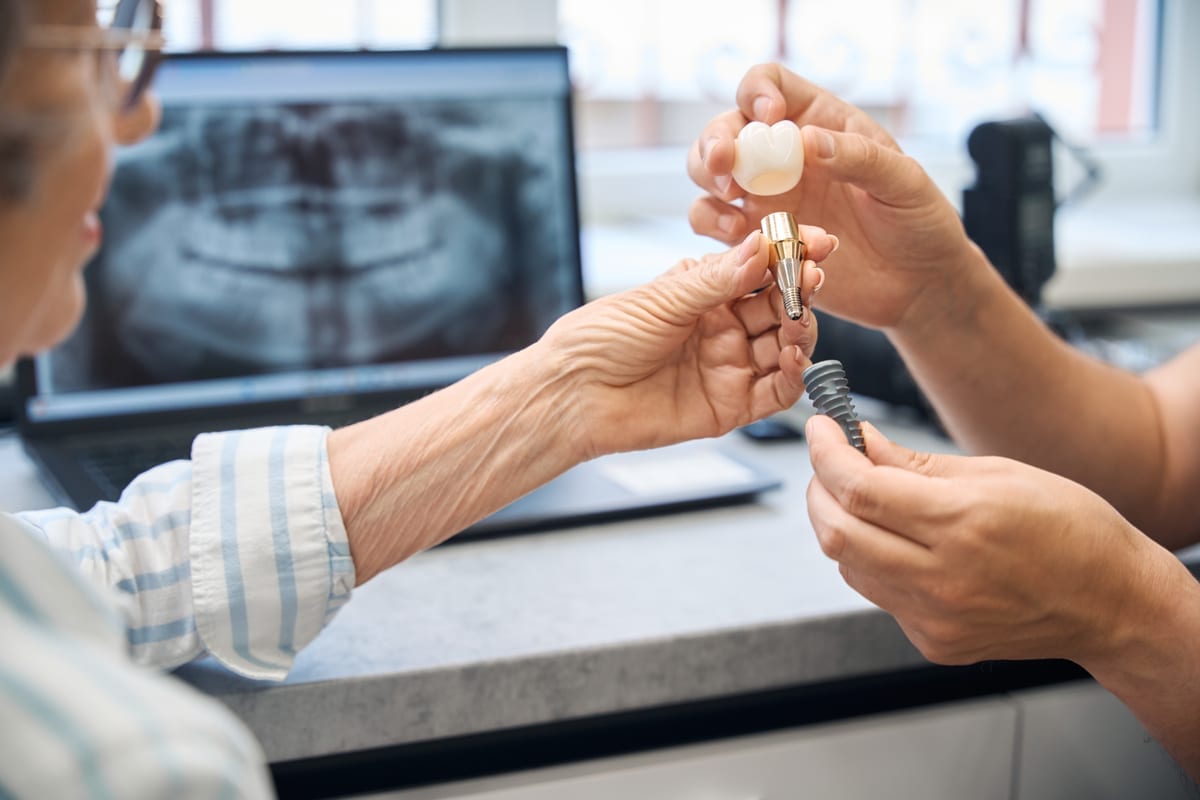
Dental implants are the only tooth replacement option that actually stops bone loss. The titanium implant post is placed directly into the jawbone. It mimics the function of a natural tooth root. The bone fuses to the implant through a process called osseointegration — and stimulation resumes.
Here is what that process means for your long-term oral health:
- Bone density is preserved at the implant site
- Neighboring teeth stop drifting because the gap is filled
- Chewing function is fully restored, not just partially
- Facial structure is supported from within the jawbone
- Results are designed to last decades with proper care
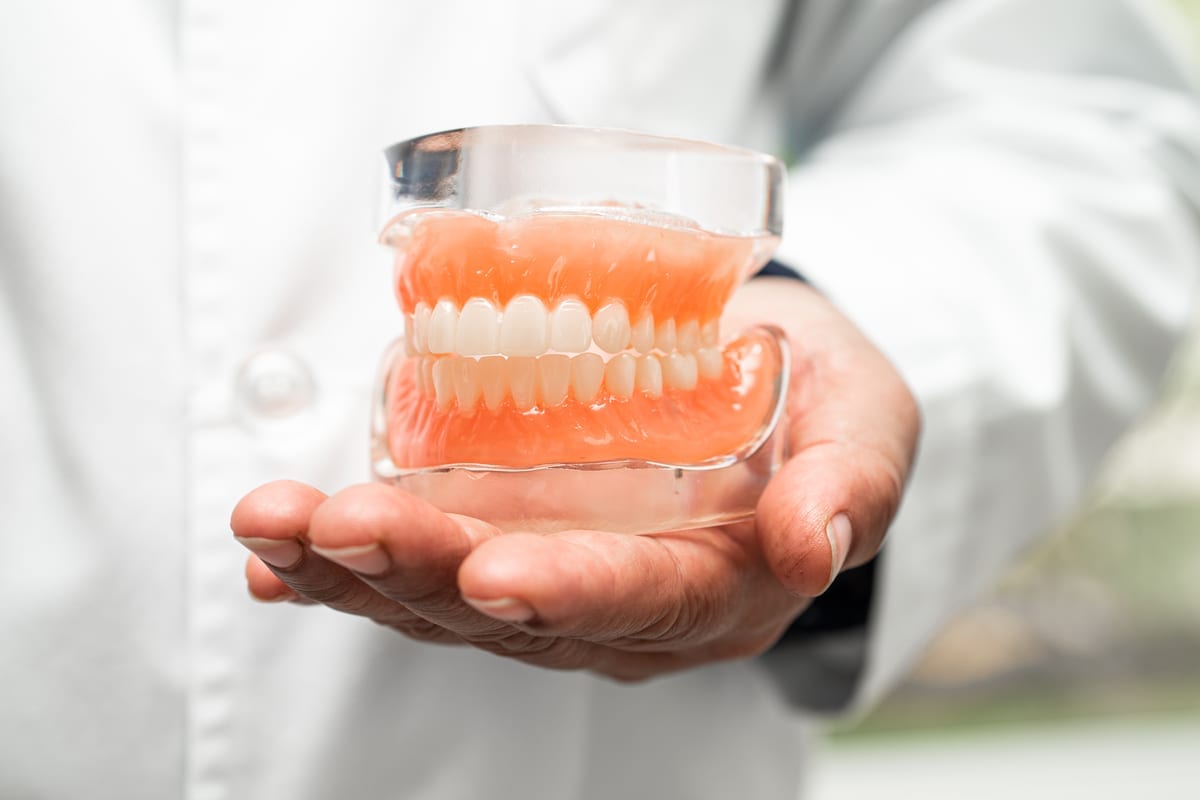
Dentures and bridges do not provide this bone-stimulating benefit. They sit on top of the gum or anchor to adjacent teeth. Bone loss continues silently beneath them. Implants are fundamentally different because they work with your biology, not just around it.
Dr. Gonzalez offers dental implants, dentures, and dental bridges at Lumora Implant Dentistry. He works with each patient to identify which solution best fits their current bone levels and long-term goals. If bone loss has already occurred, bone grafting may be an option before implant placement.
Do Not Wait Longer — What to Do Right Now in Mooresville
If you recognize any of these warning signs, the most important step is scheduling a consultation. Early evaluation gives you more treatment options. It also means less complex procedures and better outcomes overall.
Dr. Gonzalez will take detailed X-rays or a 3D cone beam scan during your visit. This imaging reveals exactly how much bone remains and where. From there, a personalized treatment plan is created specifically for your situation.
Understandably, cost is a concern for many patients. Lumora Implant Dentistry provides flexible options to make treatment accessible. You can explore Dental Implant Financing Mooresville to find a payment approach that works for your budget. Delaying treatment because of cost concerns often results in higher costs later as bone loss advances.
Your shifting teeth are signaling bone loss — and Mooresville patients do not have to face this alone. Dr. Gonzalez and the team at Lumora Implant Dentistry are here to guide you with honest, expert care. Book Now to schedule your appointment with our team.
Frequently Asked Questions
How do I know if my teeth are shifting due to bone loss?
Common signs include visible gaps between teeth, teeth that appear longer, changes in your bite, or a feeling that your teeth do not fit together the way they used to. A dental exam with X-rays will confirm whether bone loss is the underlying cause.
Can bone loss be reversed without implants?
Bone loss itself cannot be naturally reversed once it occurs. However, bone grafting procedures can rebuild lost bone volume in many cases, allowing implants to be placed successfully. The sooner you seek evaluation, the more options remain available to you.
Are dental implants still possible if I have significant bone loss?
In many cases, yes. Dr. Gonzalez evaluates each patient individually. If bone volume is insufficient, a bone graft is often performed before implant placement. Advanced 3D imaging helps determine the best path forward for your specific jaw structure.
How long does it take to complete dental implant treatment?
The full process typically takes several months from implant placement to final restoration. This timeline allows the implant to fully fuse with the bone before a crown, bridge, or implant-supported denture is attached. Dr. Gonzalez will outline a realistic timeline during your consultation.
What happens if I keep waiting to address my missing teeth?
Continued waiting allows bone resorption to progress further. This narrows your treatment options, may require more complex procedures, and increases the risk of losing additional teeth. Acting early almost always leads to simpler, more successful outcomes.
Complimentary 3D Xray and Consultation - Book Online
Shape your final smile for bite, feel and look—down to shade and shape—and even test-drive it first. Fully optimized. Fully you.
