(980) 447-8034


Dental bridges last 10–15 years on average — but that range isn’t random. Your habits, oral health, and the quality of your care all play a role. For patients in Mooresville, NC, understanding what determines your bridge’s lifespan helps you protect your investment. Dr. Eduardo Gonzalez at Lumora Implant Dentistry helps patients make informed decisions about long-term tooth replacement.
This guide breaks down exactly what shortens or extends a bridge’s life. You’ll also learn what proper maintenance looks like day to day. Whether you’re newly fitted or years into wearing a bridge, this information matters.
Why Dental Bridges Last 10–15 Years — And Sometimes Longer
A dental bridge replaces one or more missing teeth using crowns on neighboring teeth as anchors. The materials used directly affect how long the bridge holds up. Porcelain-fused-to-metal and all-ceramic bridges are the most common options today. Each material has different durability and wear characteristics.
Your bite mechanics also influence longevity. Patients who grind their teeth put extra stress on bridges nightly. That friction accelerates wear and can loosen the bond over time. A custom night guard can offset much of that damage.
The health of the anchor teeth matters just as much as the bridge itself. If decay develops under a crown, the whole structure becomes compromised. Regular checkups catch these issues before they require full replacement. Patients who maintain consistent care often see their bridges outlast the 15-year average.
Key Factors That Shorten a Bridge’s Lifespan in Mooresville
Several common habits and conditions accelerate wear on dental bridges. Recognizing them early gives you time to make corrections. Here are the most frequent culprits Dr. Gonzalez sees at Lumora Implant Dentistry:
- Poor oral hygiene: Plaque buildup around the bridge margins leads to gum disease and decay
- Teeth grinding (bruxism): Repeated clenching fractures porcelain and stresses anchor teeth
- Hard or sticky foods: Biting hard candy or chewing ice can crack bridge material
- Skipping dental visits: Missing checkups allows small problems to escalate undetected
- Smoking or tobacco use: These habits weaken gum tissue and slow healing after any dental work
Each factor compounds the others. A smoker who also grinds their teeth faces a much shorter bridge lifespan. Addressing even one risk factor can meaningfully extend how long your bridge lasts.
Daily Maintenance That Extends Your Bridge’s Life
Caring for a bridge isn’t the same as caring for natural teeth. The space beneath the false tooth — called a pontic — traps food and bacteria. Standard flossing can’t reach this area effectively. Special tools make a significant difference.
Here’s what a strong daily maintenance routine looks like:
- Floss threaders or interdental brushes: These reach under the pontic to clear trapped debris
- Water flossers: High-pressure water dislodges bacteria in hard-to-reach areas
- Soft-bristle toothbrush: Use gentle circular motions around crown margins twice daily
- Antimicrobial mouthwash: Reduces bacterial load around gum tissue supporting the bridge
- Consistent professional cleanings: Every six months at minimum — more often if you’re high-risk
This routine takes only a few extra minutes each day. Those minutes compound into years of additional bridge life. Dr. Gonzalez recommends reviewing your technique at every checkup to confirm you’re cleaning effectively.
When a Bridge Is No Longer the Best Option — Comparing Alternatives
Even well-maintained bridges eventually reach the end of their useful life. When that happens, Mooresville patients often ask whether to replace the bridge with another or upgrade to a stronger option. The answer depends on the condition of your anchor teeth.
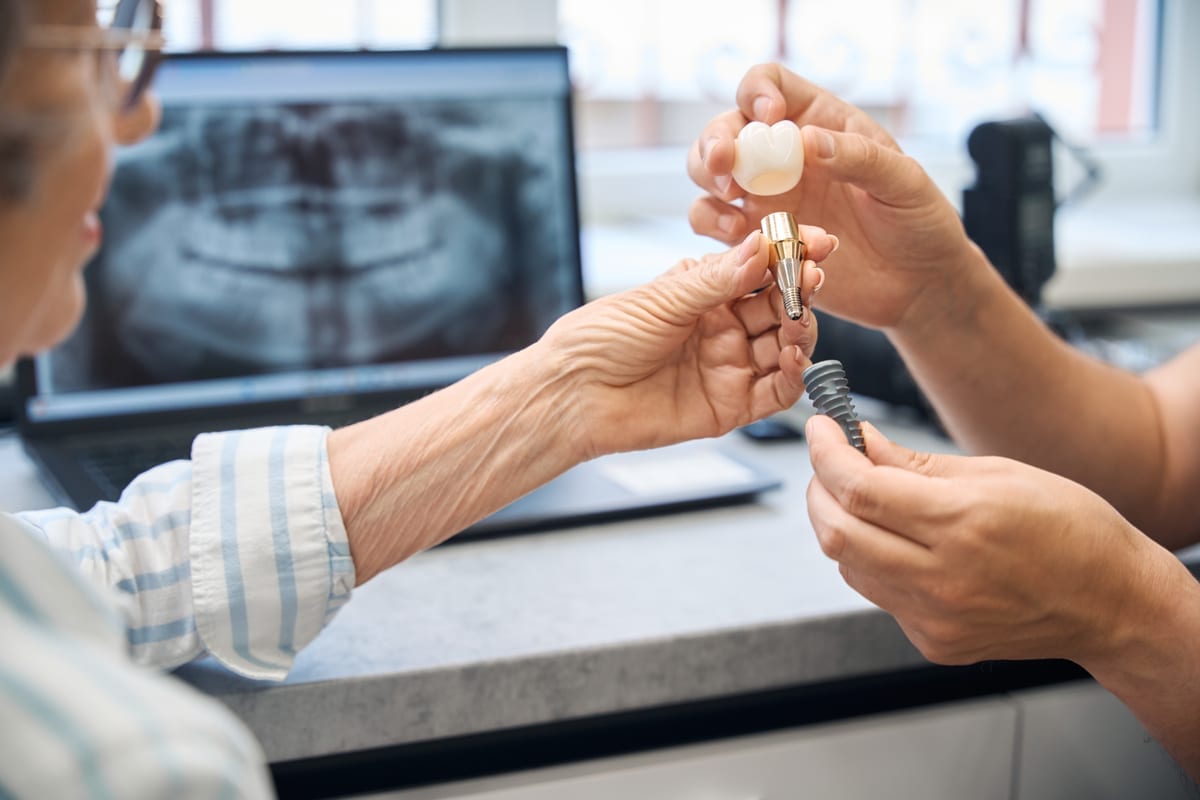
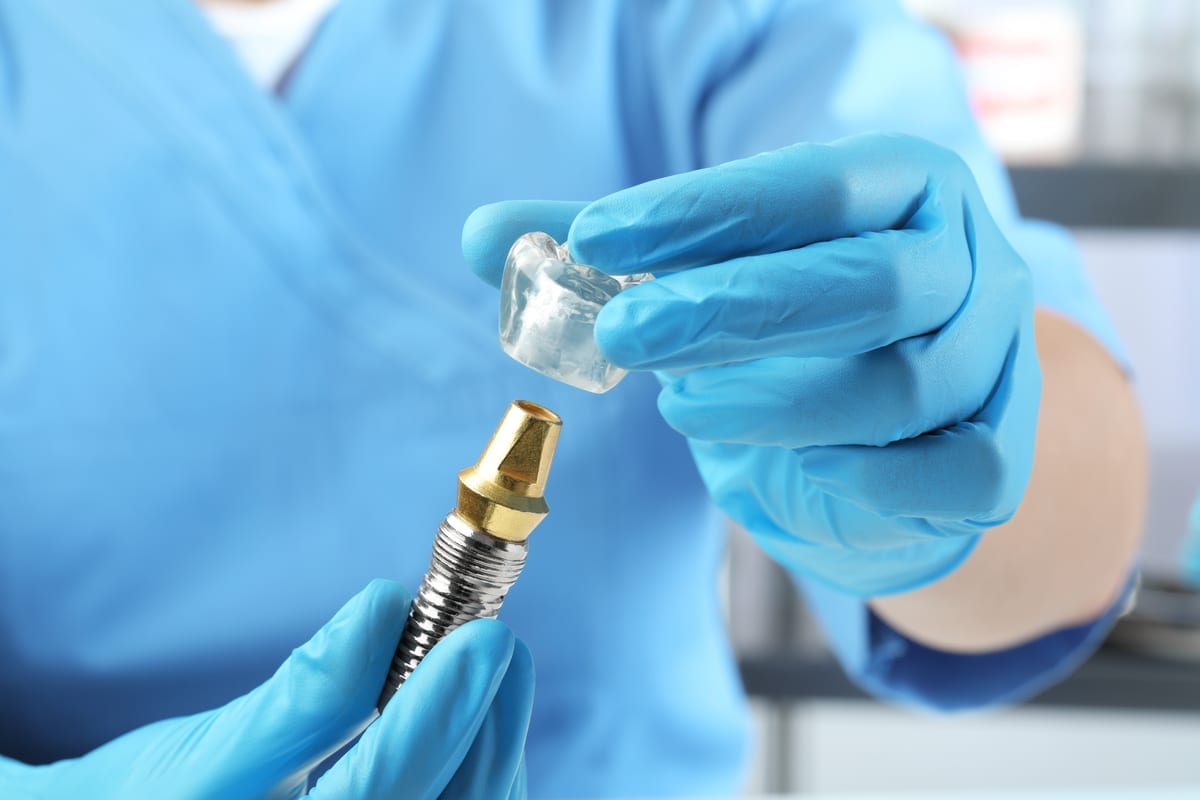
If the supporting teeth have sustained decay or structural damage, a new bridge may not hold securely. In these cases, dental implants offer a more stable foundation. Implant Bridges don’t rely on neighboring teeth at all — the titanium post anchors directly into the jawbone. This approach preserves surrounding teeth and prevents bone loss over time.
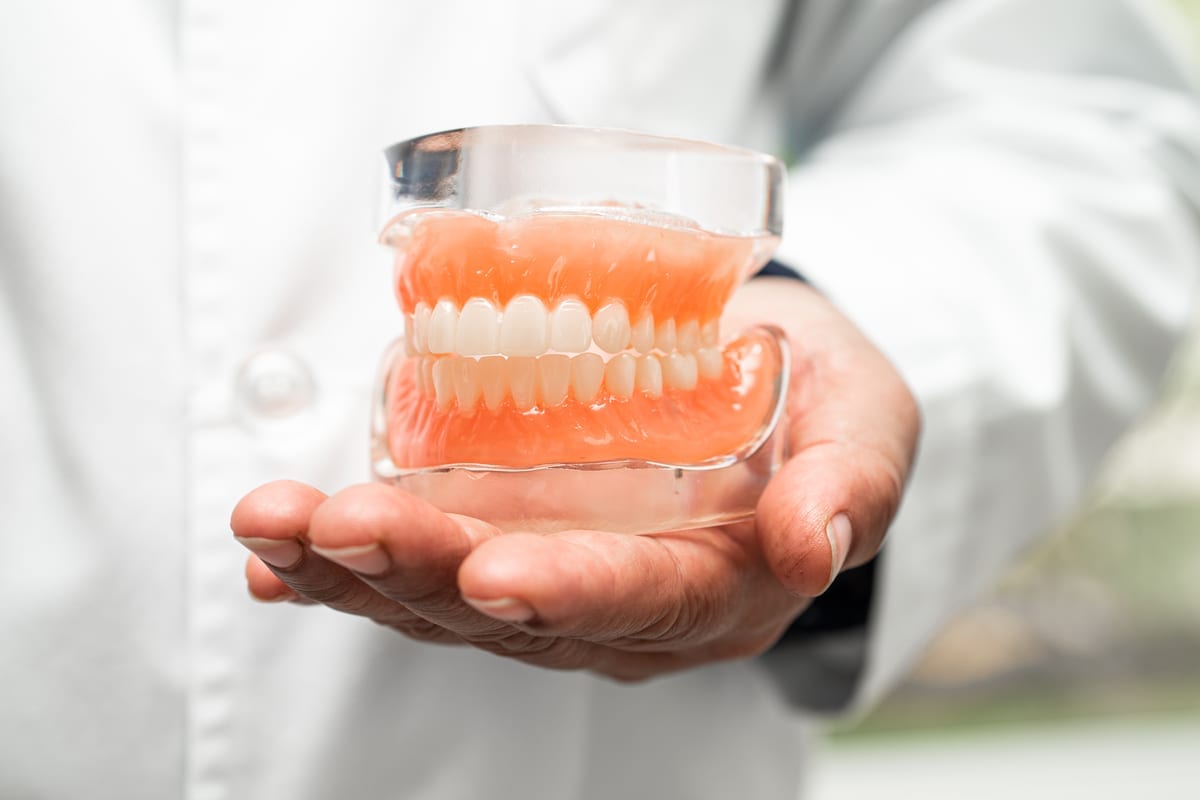
For patients missing multiple teeth, Implant Supported Dentures provide full-arch stability without the pressure placed on natural teeth. This option is worth exploring if your existing bridge has failed more than once. Dr. Gonzalez will evaluate your bone density and overall oral health before recommending any upgrade path.
The goal is always to find the solution that serves you longest with the least ongoing risk.
What to Expect at Your Bridge Evaluation in Mooresville
Lumora Implant Dentistry uses digital X-rays and clinical exams to assess your bridge’s current condition. Dr. Gonzalez checks for margin gaps, signs of decay, gum recession, and structural cracks. This evaluation takes about 30 minutes during a standard checkup. Patients receive a clear picture of where their bridge stands and how many years it may have left.
If early wear is detected, proactive steps can extend the bridge’s life significantly. Treatment at this stage is less involved and less costly than full replacement. Early intervention is always the preferred path. Mooresville patients benefit from having a dental team focused on prevention rather than reaction.
After your evaluation, you’ll receive a personalized care plan. That plan outlines exactly what maintenance adjustments will help most for your specific situation. Transparency is a core value at Lumora Implant Dentistry — you’ll always understand your options before making any decisions.
Conclusion: Protecting Your Bridge for the Long Term
Dental bridges last 10–15 years when properly cared for — and often longer with the right habits. Your daily routine, risk factors, and the quality of your professional care all combine to determine your outcome. Small, consistent actions protect your bridge more than any single treatment. If you’re in Mooresville and want an honest assessment of where your bridge stands, our team is ready to help. Book Now to schedule your appointment with our team.
Frequently Asked Questions
How do I know if my dental bridge needs to be replaced?
Common signs include sensitivity under the bridge, visible cracks, looseness when chewing, or pain in the anchor teeth. Your dentist can also detect hidden issues through X-rays before you feel any symptoms. Scheduling regular checkups is the most reliable way to catch problems early.
Can a dental bridge last longer than 15 years?
Yes — some bridges last 20 years or more with excellent oral hygiene and regular professional care. The key variables are the health of the anchor teeth, your bite forces, and how consistently you maintain the area. Patients who follow a thorough daily routine tend to see the longest results.
Is flossing really necessary if I have a dental bridge?
Absolutely. Flossing under the pontic removes bacteria that cause gum disease and decay at the bridge margins. Standard floss won’t reach effectively — use a floss threader, interdental brush, or water flosser designed for this purpose. Skipping this step is one of the leading causes of premature bridge failure.
What happens to my jawbone under a dental bridge?
Traditional bridges don’t address the jawbone beneath the missing tooth. Without a tooth root stimulating the bone, gradual bone loss can occur over time. Implant-based options like Implant Bridges integrate with the jawbone and help preserve its density long term.
How soon after a bridge fails should I see a dentist?
As soon as possible — ideally within a few days of noticing looseness, pain, or structural damage. A failed bridge leaves the anchor teeth vulnerable to decay and fracture. Prompt evaluation gives you the most options for repair or replacement before further damage occurs.
Complimentary 3D Xray and Consultation - Book Online
Shape your final smile for bite, feel and look—down to shade and shape—and even test-drive it first. Fully optimized. Fully you.
