(980) 447-8034

If your dentures once fit perfectly but now slip, click, or cause sore spots, you are not imagining things. Many patients in Mooresville, NC ask exactly this question: why do dentures feel loose after years? The answer involves natural changes happening beneath your gums every single day. Understanding why your dentures feel loose after years — and what to do in Mooresville — can help you take the right next step for your smile.
The Real Reason Dentures Stop Fitting Over Time
When teeth are lost, the jawbone underneath begins to shrink. This process is called bone resorption, and it happens continuously after extraction. Your dentures were shaped to fit the contours of your jaw at a specific point in time. As those contours change, the fit changes too.
Bone resorption is not a dental failure — it is a natural biological response. Without tooth roots stimulating the bone, the body simply reabsorbs it. Most patients lose a measurable amount of bone within the first year alone. Over five to ten years, the changes become significant enough to affect daily function.
The result is a denture that rocks, slides, or creates painful pressure points. Chewing becomes difficult. Speaking can feel unpredictable. Some patients start relying on adhesive constantly just to get through a meal.
Warning Signs Your Dentures No Longer Fit Properly in Mooresville
Recognizing the signs early helps prevent bigger problems down the road. Here are the most common indicators that your dentures need attention:
- Dentures slip or move when eating or speaking
- Sore spots, irritation, or small sores on your gums
- Clicking or popping sounds while chewing
- Food getting trapped under the denture regularly
- Difficulty biting into firm foods
- Needing more and more adhesive to keep them in place
- Changes in your facial appearance, like a sunken chin or lip area
Many patients in Mooresville quietly tolerate these symptoms for months or years. However, poor denture fit can accelerate bone loss and strain your jaw joints over time. Addressing the problem sooner leads to better outcomes and less discomfort.
What Can Be Done: Relining, Rebasing, and Replacement
When dentures no longer fit well, there are several paths forward. The right solution depends on the condition of your existing dentures and how much bone change has occurred.
Relining is often the first recommendation for dentures that are structurally sound. A new layer of acrylic material is added to the fitting surface to match your current gum contours. This restores a snug, comfortable fit without replacing the entire denture.
Rebasing goes a step further. The entire base of the denture is replaced while keeping the existing teeth intact. This is a good option when the base material has worn down significantly but the teeth themselves are still in good condition.
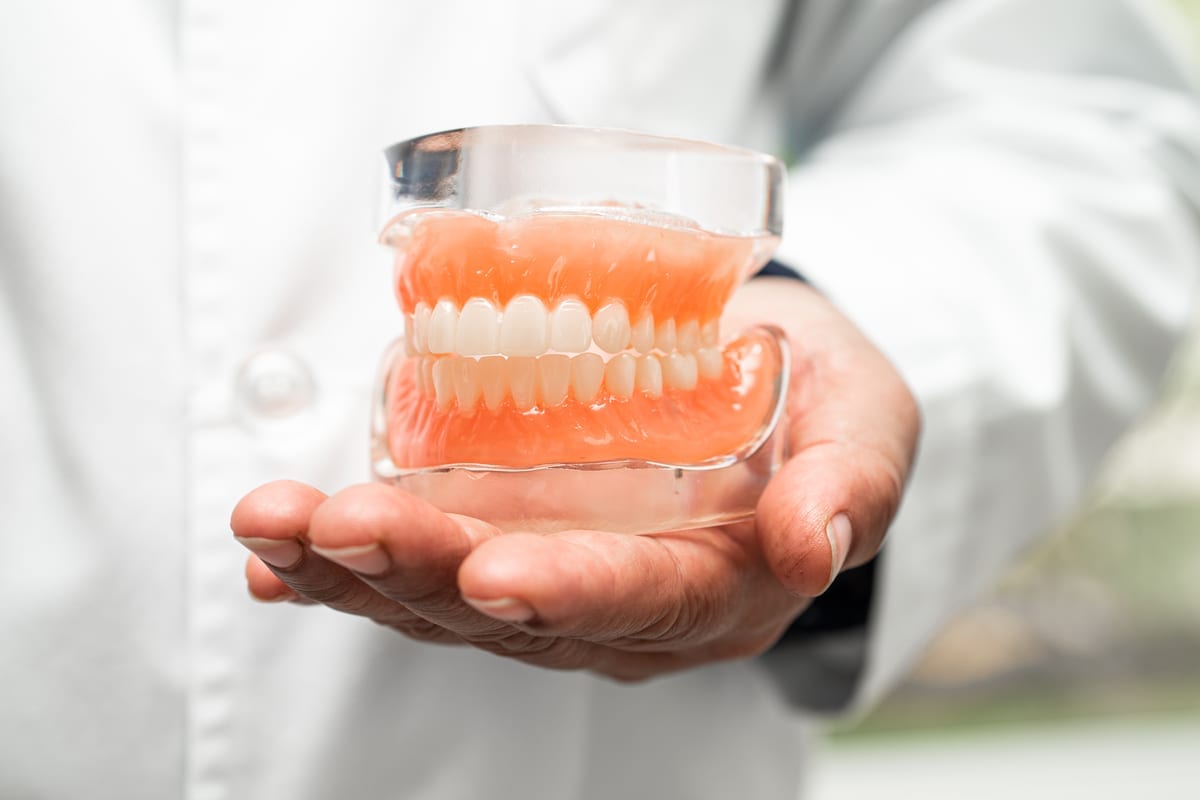
Replacement becomes necessary when the denture is too worn, too ill-fitting to correct, or when bone resorption has been significant enough that a new denture is the most effective solution. A completely new denture is made using updated impressions of your jaw.
Each option has its place. Dr. Eduardo Gonzalez at Lumora Implant Dentistry evaluates every patient individually before recommending a course of action.
Why Dental Implants Can Solve the Root Problem
Relining and rebasing address the fit of your dentures — but they do not address bone resorption itself. Bone continues to shrink as long as there are no roots stimulating it. This means even a newly relined denture may need adjustment again within a few years.
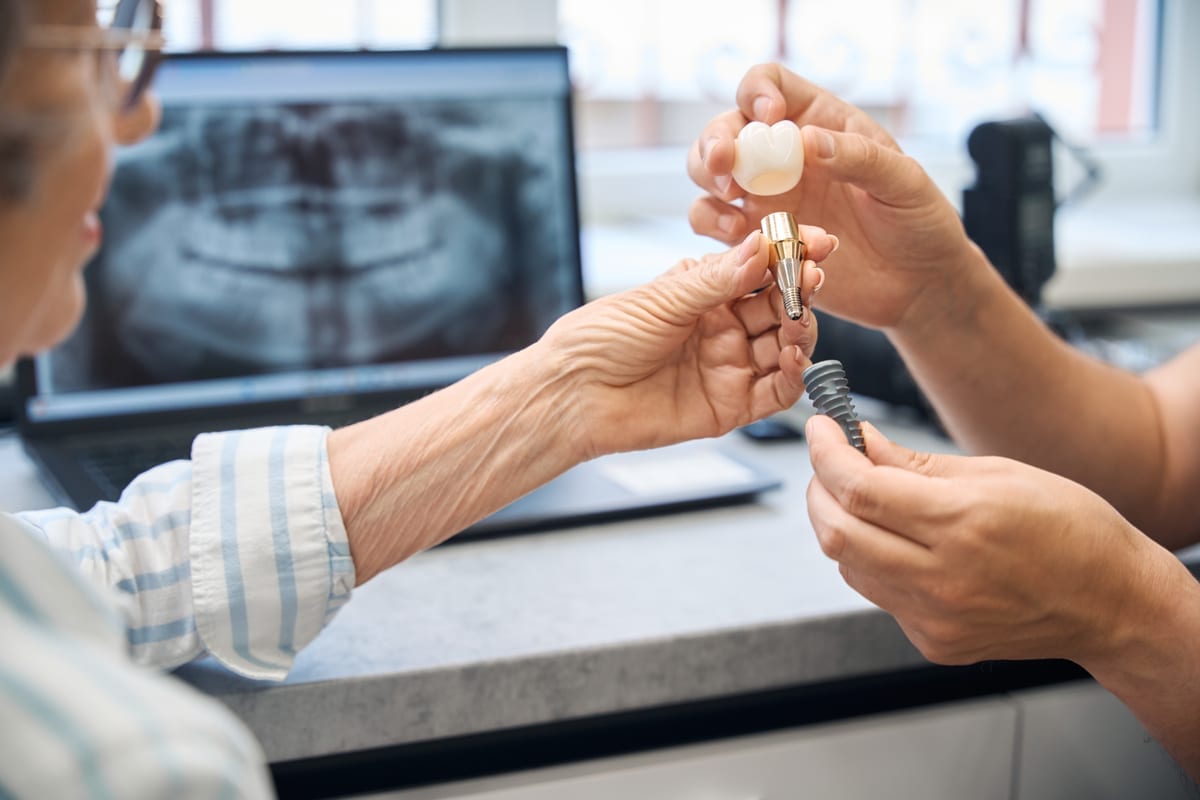
Dental implants work differently. Implant posts are placed into the jawbone, mimicking the function of natural tooth roots. This stimulation helps preserve the bone and slow further resorption. Patients who choose implant-supported solutions often experience more stable, long-term results.
For patients who want to keep their dentures, implant-supported options provide a secure anchor. For patients considering a fixed solution, Implant Bridges offer a stable, non-removable alternative that restores both function and appearance. For those missing a single tooth, Single Dental Implants provide an individual replacement that supports the surrounding bone.
Not every patient is an immediate candidate for implants. Bone volume and overall health play a role. However, many patients in Mooresville are surprised to learn they qualify after a proper evaluation.
What to Expect at Your Appointment With Dr. Gonzalez
Visiting Lumora Implant Dentistry for a denture concern is a straightforward process. Dr. Gonzalez begins with a thorough examination of your current dentures and the condition of your gum tissue and bone. He listens to what is bothering you most and explains your options clearly.
Here is what a typical consultation looks like:
- A review of your dental and health history
- A visual and digital examination of your existing dentures
- Assessment of gum tissue health and bone levels
- A clear explanation of recommended options — relining, rebasing, or replacement
- A discussion of implant-supported alternatives if appropriate
You will leave with a clear understanding of what is happening and what your next steps are. There is no pressure to make a decision on the spot. The goal is education and genuine support for your long-term oral health.
Caring for Yourself Between Now and Your Appointment
If your dentures are feeling loose right now, there are a few things you can do while you wait for your appointment. Use a small amount of denture adhesive if needed to minimize movement and discomfort. Stick to softer foods to reduce pressure and irritation on your gums.
Clean your dentures thoroughly every day and remove them at night. This gives your gum tissue time to recover and helps prevent further soreness. Avoid using DIY repair kits on cracked or broken dentures, as these can alter the fit and cause damage that is harder to correct later.
Most importantly, do not wait too long. The longer ill-fitting dentures are worn without correction, the more accelerated bone loss can become. Acting early gives you more options and better outcomes.
Conclusion
Loose dentures are not something you simply have to live with. Bone resorption is natural, but the discomfort and limitations that come with poor-fitting dentures are very correctable. Whether relining, rebasing, replacement, or implant-supported solutions are right for you, help is available in Mooresville. Dr. Eduardo Gonzalez and the team at Lumora Implant Dentistry are here to guide you with honesty and care. Book Now to schedule your appointment with our team.
Frequently Asked Questions
How often should dentures be relined or replaced?
Most dentists recommend having dentures evaluated every one to two years. Relining may be needed every two to three years, while full replacement is often recommended every five to seven years depending on fit and wear.
Can bone loss from wearing dentures be reversed?
Bone loss from resorption cannot be fully reversed, but it can often be managed or slowed. Dental implants help stimulate the jawbone, which can preserve existing bone and prevent further significant loss over time.
Is it safe to use denture adhesive every day?
Occasional use of denture adhesive is acceptable, but relying on it daily is a sign your dentures no longer fit properly. It is best to have a dental professional evaluate the fit and recommend a lasting solution rather than depending on adhesive long-term.
What happens if I ignore loose-fitting dentures?
Ignoring loose dentures can lead to accelerated bone loss, chronic gum irritation, difficulty eating a nutritious diet, and jaw joint strain. Addressing the problem early helps preserve your oral health and gives you more treatment options.
Are implant-supported dentures available in Mooresville, NC?
Yes. Lumora Implant Dentistry in Mooresville, NC offers implant-supported options for patients looking for a more stable, long-term alternative to traditional removable dentures. Dr. Eduardo Gonzalez can evaluate whether this solution is right for you during a consultation.
Complimentary 3D Xray and Consultation - Book Online
Shape your final smile for bite, feel and look—down to shade and shape—and even test-drive it first. Fully optimized. Fully you.
