(980) 447-8034


If you’ve lost one or more teeth, you’re likely weighing your options carefully. The question of dentures vs. implants — which preserves your jaw bone long-term in Mooresville — is one Dr. Eduardo Gonzalez hears often. It’s a genuinely important question. The answer affects your appearance, your ability to eat, and even the shape of your face over time. This article breaks down both options honestly so you can make the most informed decision possible.
Why Jaw Bone Loss Matters After Tooth Loss
Most people don’t realize that your teeth do more than help you chew. They actively stimulate the jaw bone every time you bite down. This stimulation signals the body to maintain bone density in that area. When a tooth is removed, that signal disappears.
Without stimulation, the jaw bone begins to resorb — or shrink — over time. This process starts within the first year after tooth loss. It can continue for decades if not addressed. The result is a sunken facial appearance and weakened jaw structure.
This is why choosing the right tooth replacement option matters so much. Not every solution preserves bone equally. Understanding the difference between dentures and implants is the first step toward protecting your long-term oral health.
How Traditional Dentures Affect Jaw Bone Over Time
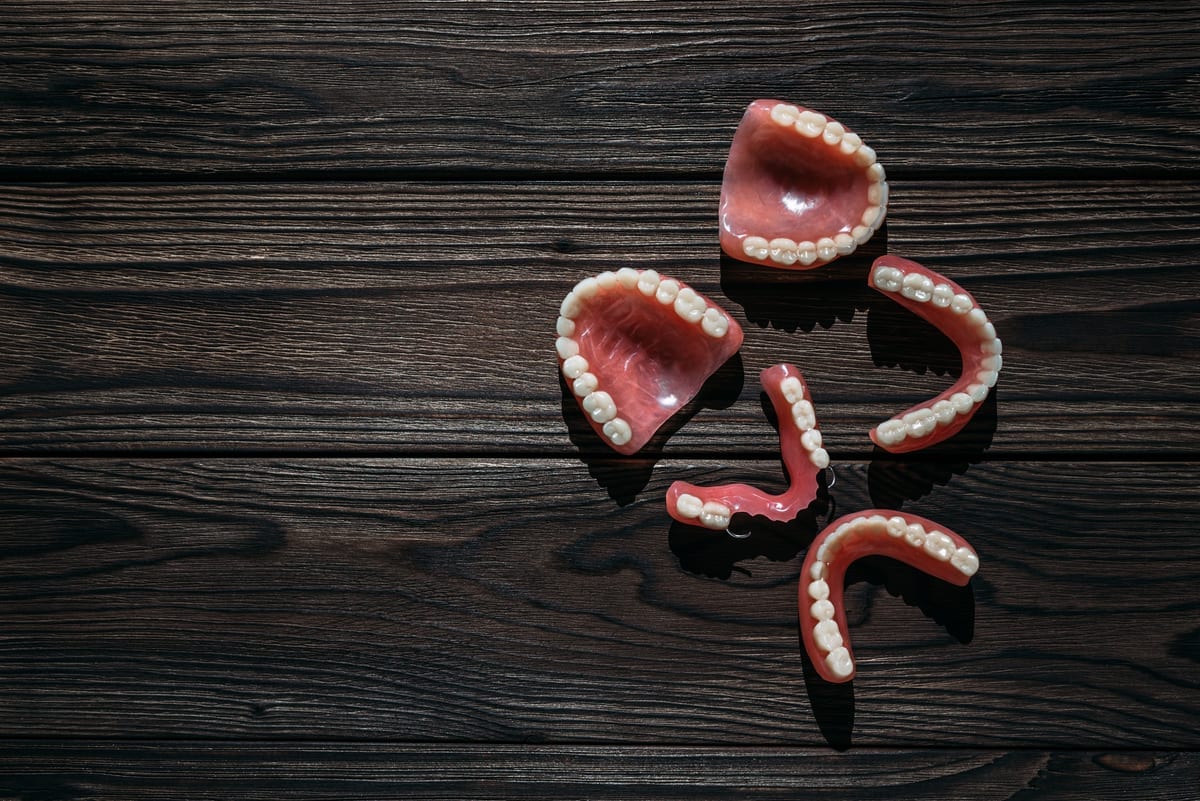
Dentures are a time-tested solution for missing teeth. They are removable, relatively affordable upfront, and can restore a natural-looking smile quickly. For many patients, they offer immediate relief and improved confidence.
However, traditional dentures rest on the gum surface. They do not connect to the jaw bone. This means they provide no stimulation to the underlying bone structure.
Over time, the jaw bone continues to resorb beneath the denture. This gradual shrinkage changes the fit of the denture. Patients often find that dentures become looser and less comfortable as years pass. Refitting or replacing them becomes a recurring need.
There are also functional consequences. Loose dentures can shift while eating or speaking. Many patients restrict their diet to softer foods as a result. Quality of life can decline in ways that aren’t always obvious at first.
- Dentures do not stimulate the jaw bone
- Bone resorption continues underneath the appliance
- Fit deteriorates as the jaw changes shape
- Refitting or replacement is typically needed every 5–7 years
- Chewing efficiency is significantly lower than natural teeth
How Dental Implants Preserve Jaw Bone Structure
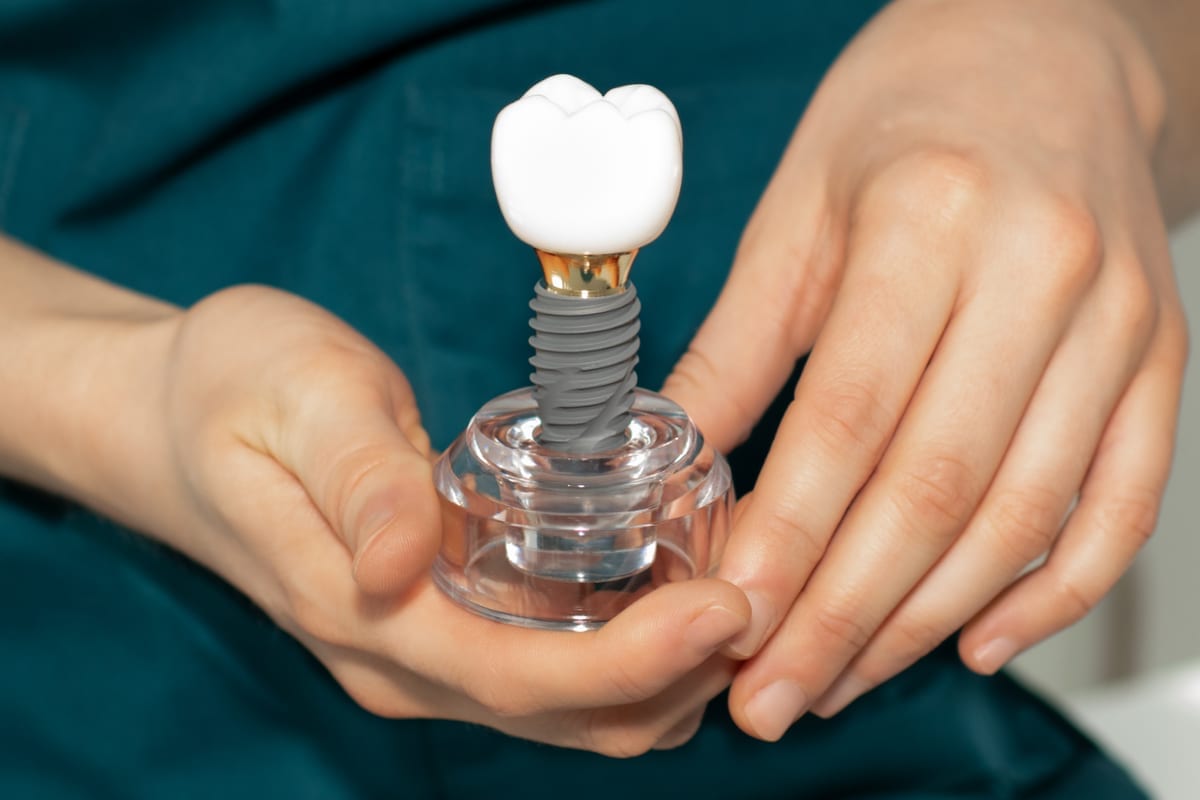
Dental implants work differently at a fundamental level. A titanium post is surgically placed directly into the jaw bone. This post acts as an artificial tooth root. It restores the stimulation the bone needs to stay healthy and dense.
Through a process called osseointegration, the bone actually fuses to the implant surface. This creates a stable, permanent foundation. The implant becomes a part of your jaw in a very real sense. Bone resorption is halted — or significantly reduced — in the treated area.
Our Dental Implants Services at Lumora Implant Dentistry are designed with long-term bone health in mind. Dr. Gonzalez takes a whole-mouth approach when planning implant treatment. The goal is always to preserve facial structure alongside restoring function.
For patients missing multiple adjacent teeth, solutions like Implant Bridges can protect the bone across a wider span. These combine the stability of implants with the coverage needed for larger gaps. It’s a powerful option for patients who want long-term results without replacing every single tooth individually.
- Implants stimulate jaw bone just like natural tooth roots
- Osseointegration creates a permanent, stable bond with bone
- Bone density is maintained in the implant area long-term
- No slipping, shifting, or dietary restrictions after healing
- A single implant can last 20+ years with proper care
- Facial structure is preserved, reducing the sunken appearance
Cost, Function, and Quality of Life — An Honest Comparison
It’s fair to acknowledge that dental implants cost more upfront than traditional dentures. This is a real consideration for many patients in Mooresville. However, the long-term picture is more nuanced than the initial price tag suggests.
Dentures require ongoing maintenance. They need adhesives, nightly soaking, periodic refitting, and eventual replacement. These costs accumulate over years. When you factor in multiple replacements over a decade, the financial gap between dentures and implants often narrows significantly.
Functionally, implants restore nearly 100% of normal biting force. Dentures typically restore only 20–25% of that force. This difference shapes what you can eat, how you socialize, and how confident you feel in daily life.
Patients who choose implants consistently report higher satisfaction in long-term studies. They eat more comfortably, speak more clearly, and feel more secure in social situations. These quality-of-life gains are difficult to quantify but deeply meaningful to real patients.
Which Option Is Right for You in Mooresville?
There is no single answer that fits every patient. Age, overall health, bone density, and personal goals all play a role. Some patients are ideal implant candidates right away. Others may need bone grafting first to rebuild density lost after tooth removal.
In some cases, a combination approach works best. Implant-supported dentures, for example, use a small number of implants to anchor a full denture. This improves stability dramatically while still being more affordable than full individual implants. It also provides significantly more bone stimulation than traditional removable dentures.
The best starting point is always a thorough evaluation. Dr. Gonzalez will review your jaw bone health, discuss your goals, and walk you through all realistic options. There is no pressure — just clear, honest guidance tailored to your situation.
Mooresville patients deserve a tooth replacement plan built for the long term. That means thinking beyond the immediate fix and planning for how your jaw and facial structure will look and feel in 10 or 20 years.
Conclusion: Protecting Your Jaw Bone Is a Long-Term Investment
When comparing dentures vs. implants for jaw bone preservation in Mooresville, the evidence strongly favors implants for long-term bone health. Dentures offer a faster, lower-cost entry point. But they do not stop bone loss over time. Implants address the root cause of deterioration by restoring the stimulation your jaw bone needs to stay strong.
Making the right choice now can protect your facial structure, your function, and your confidence for decades to come. Dr. Gonzalez and the team at Lumora Implant Dentistry are here to help you understand all your options clearly. Book Now to schedule your appointment with our team.
Frequently Asked Questions
Do dentures cause jaw bone loss over time?
Yes. Traditional dentures rest on the gum surface and do not stimulate the underlying jaw bone. Without stimulation, the bone gradually resorbs and shrinks. This is one of the key differences when comparing dentures and implants for long-term jaw bone preservation.
How long does it take for jaw bone loss to begin after tooth loss?
Bone resorption typically begins within the first 6 to 12 months after a tooth is lost. The process is gradual but continuous. Acting sooner rather than later gives you the best chance of preserving bone density and avoiding the need for bone grafting before implants.
Are dental implants a permanent solution?
Dental implants are designed to be a long-term, permanent solution. With proper oral hygiene and regular dental visits, a well-placed implant can last 20 years or more. The crown attached to the implant may eventually need replacement, but the implant post itself is built to last.
What if I’ve already had bone loss — can I still get implants?
Many patients with existing bone loss are still candidates for dental implants. Bone grafting procedures can rebuild lost density and create a healthy foundation for implant placement. Dr. Gonzalez will evaluate your bone health during your consultation and recommend the right approach for your specific situation.
What is an implant-supported denture, and how does it differ from a traditional denture?
An implant-supported denture uses a small number of strategically placed implants to anchor the denture in place. Unlike traditional removable dentures, it does not shift or slip. It also provides meaningful bone stimulation, which helps slow the jaw bone loss that typically occurs under conventional dentures.

Complimentary 3D Xray and Consultation - Book Online
Shape your final smile for bite, feel and look—down to shade and shape—and even test-drive it first. Fully optimized. Fully you.
